
Listen to this podcast in the app for free: Download for free in the App Store
radio.net
Sleep timer
Save favourites
57 episodes
Kim Bednarek: The Land of the Trembling Earth
19/10/2026 | 1h 16 mins.Many folks know the swamplands of the Everglades, but often overlooked and less well-known is a swamp that spans between both Florida and Georgia, the Okefenokee. In today’s episode, we hear from Executive Director of the Okefenokee Swamp Park & Adventures, Kim Bednarek. The Okefenokee Swamp Park & Adventures is an 80-year-old nonprofit dedicated to fostering a deep connection with nature and conserving its ecological health through stewardship, education, and outdoor recreation in and around the Okefenokee. Kim stepped into this role in 2020, and has since led the transformation of the organization to become a regional backbone for conservation, expanded educational access, and advanced a bold vision: an initiative designed to connect community development with nature-based tourism around the Okefenokee Region. From conversations over lunch at Whistlin Dixie’s to representing the United States on the world stage at United Nations meetings, Kim and her team embody place-based conservation.
With her more than two decades of experience spanning environmental conservation, education, and nonprofit management, Kim championed and led the national effort to secure the inscription of the Okefenokee National Wildlife Refuge as Georgia’s first, and Florida’s second, UNESCO World Heritage site, fulfilling a more than 40-year vision.
This discussion explores what this new status means, not only for the National Wildlife Refuge, but more importantly for the surrounding rural communities. We dive into the intersection of natural resource protection and economic development, learning about efforts Kim and her partners are shaping such as the Okefenokee Partnership, a collaboration among local governments, regional employers, community-based organizations, and other stakeholders to facilitate dialogue and connectivity around shared priorities that address regional challenges. This, as we discuss, can serve as a model beyond just the Okefenokee for fostering bio-regional collaboration for economic resilience and prosperity.
We talk about how to tell a representative story about a place, working on large time scales and how to take on and then pass the metaphorical baton of deep place-based work, leading through listening and empathy, and much more.
Be sure to visit the Okefenokee at either of the Okefenokee Swamp Park or Okefenokee Adventures at the gateway communities of Waycross, Ga, or Folkston, GA. To learn more, register and tune in to the Florida Wildlife Corridor’s Corridor Connect + “Flow Of Conservation” webinar on October 23rd at 11:30 AM to hear from Kim, along with other statewide partners; and check out the links below:
Thanks to Kim for her time, and to Josh Howard, Operations Manager at Okefenokee Adventures.
Resources mentioned:
The Okefenokee Partnership – Okefenokee World Heritage Site
Okefenokee Swamp Park
Ocmulgee National Park & Preserve Initiative
Company 1433 – Okefenokee Project
Whistlin Dixie Custom Framing and Unique Gifts & Cafe – Folkston Georgia
The Conservation Fund Halts Okefenokee Mining Threat - The Conservation FundWhere Waters Meet: Stories of Hope - LIVE Florida Uncut Episode
09/10/2026 | 36 mins.This episode was recorded live at Where Waters Meet: Stories of Hope from Florida’s Gulf Coast Estuaries, a National Estuaries Week event hosted by the Tampa Bay Estuary Program and Sarasota Bay Estuary Program at the Bishop Museum of Science and Nature in Bradenton.
The conversation brings together scientists, journalists, and working waterfront advocates to explore stories of hope in estuary recovery, the connection between land and water, and how communities can protect Florida’s natural resources amid continued growth.
The panel, hosted by Mason Gravley, featured:
Max Chesnes (Tampa Bay Times),
Karen Bell (A.P. Bell Fish Company),
Ryan Schloesser (Mote Marine Laboratory),
Courtney Saari (Florida Fish and Wildlife Research Institute),
Shaun Swartz (City of St. Petersburg)
Why it matters now: On November 3, 2026, voters in seven counties, including Manatee and Sarasota, will consider local conservation measures that could help protect natural lands, drinking-water sources, wildlife habitat, and public preserves. Learn more about each of the seven ballot measures here: 2026 Land Conservation Measures - 1000 Friends of Florida
Read more about the event below:
sarasotabay.org/stories-of-hope-from-floridas-gulf-coast-estuaries
Read the event coverage in the Anna Maria Island Sun
The takeaway: Healthy bays begin with healthy land. Protecting the places between our communities and our coast is essential to Florida’s conservation future.Meredith Budd: Live Wildly
18/08/2026 | 1h 41 mins.Meredith is the Deputy Director of the Live Wildly Foundation, where she applies an entrepreneurial approach to conservation while seeking to balance smart growth, a robust economy, and connected, resilient landscapes. As the organization’s senior strategist, Meredith engages with federal, state, and local governments, institutions, and the nonprofit and private sectors to build and maintain strategic relationships and identify opportunities to deepen Live Wildly's impact.
Her passion for environmental conservation grew from a lifelong curiosity about the natural world. From the lush landscapes of Central and South America to the island nations of the South Pacific, Meredith spent nearly five years after college exploring natural wonders around the world. Upon moving back to Florida in 2012, she dedicated her career to protecting wildlife and the lands they call home. She has more than a decade of experience in the environmental field and brings expertise in imperiled species policy, habitat conservation planning, and wildlife conflict resolution.
Meredith also serves as Board President of the Friends of the Florida Panther Refuge and Audubon Western Everglades. Prior to joining Live Wildly, she worked as the Regional Policy Director with the Florida Wildlife Federation and as an Environmental Policy Specialist with the Conservancy of Southwest Florida. She enjoys spending time with her two dogs, Miss Luci and Mr. Pickles.
In this episode, we cover a lot of topics:
The value of travel
Human wildlife coexistence
Working with a diverse group of stakeholders in conservation
Local land conservation efforts
Current statewide policy issues affecting conservation and local communities
What an ‘entrepreneurial approach to conservation’ means
The relationship between a robust economy and resilient landscapes
The role that voters, local and state elected officials, and private investors play in Florida conservation
Resources mentioned:
Live Wildly: Balancing Economy and Ecology in Florida
Water and wildlife corridors | Archbold Biological Station
Climate and wildlife corridors | Archbold Biological Station
Community Conservation ~ Greenprinting - North Florida Land Trust
Land Conservation and Open Space Referenda Map - North Florida Land Trust
Nancy Payton Preserve – Florida Hikes
This episode was hosted and edited by Zach Franco.David Price: 40 Years at Bok Tower Gardens
04/08/2026 | 1h 51 mins.For nearly 40 years, David Price dedicated his career to one of Florida's most treasured places. On his final day as president of Bok Tower Gardens, Mason and David walked the grounds and sat for an in-depth conversion of a reflection on a lifetime of conservation, leadership, and stewardship.
From the globally significant Lake Wales Ridge to the iconic Singing Tower, this conversation explores the legacy of a place, the evolution of conservation in Florida, and the enduring value of beauty in an increasingly busy world.
David joined Bok Tower Gardens in 1986 as Director of Horticulture for 20 years, and went on to serve nearly 20 years as president. During his tenure, the gardens expanded from 125 acres to more than 760 acres, doubled attendance, and strengthened their role as both a cultural destination and a conservation leader in Florida.
David shares the stories behind the growth of Bok Tower, the challenges of leading a beloved institution, and the lessons he's learned from spending four decades caring for one extraordinary landscape. We also discuss why the Lake Wales Ridge is one of North America's most important ecosystems, how conservation has changed over the past 40 years, and what gives him hope for the future of wild Florida.
This episode is a conversation about legacy, long-term stewardship, including being a founding member of Green Horizon Land Trust which has conserved over 7,000 acres. If you haven’t, please plan to visit the beautiful gardens and iconic singing Bok Tower soon.
boktowergardens.org
greenhorizon.orgTessa Skiles: Grounded in Water
16/07/2026 | 1h 36 mins.Conservationist, underwater cinematographer, and impact producer Tessa Skiles has been immersed in conservation since childhood, first appearing in her father Wes Skiles' films before building her own career at the intersection of storytelling and environmental advocacy. In this conversation, Tessa shares her journey from growing up in Florida's springs to producing iconic films that inspire love and action around groundwater, land conservation, and our deep connection to wild Florida.
The conversation goes beyond filmmaking as Tessa opens up about transforming a deeply personal story into an impact documentary, one rooted in loss, legacy, healing, and the interconnectedness of land and water. She also offers insight of the feature documentary currently in development and discusses the importance of building partnerships and bringing diverse perspectives together to scale the message of land-to-water connectivity far beyond Florida.
Listeners will also hear about Tessa's involvement in the Florida Wildlife Corridor Foundation's upcoming expedition film as a guide and her role in a forthcoming documentary series exploring the Southeastern United States. More to come on those films this fall!
This is one of our most personal conversations to date. We're grateful to Tessa for her openness and willingness to share experiences that are both deeply vulnerable and profoundly hopeful.
About Tessa
Tessa Skiles is a conservationist, underwater photographer, cinematographer, and impact producer whose work reveals the beauty and vulnerability of groundwater and freshwater ecosystems. Her film credits include American Amazon (PBS Nature), The Fellowship of the Springs, Protect Our Paradise, and Day Zero. Beyond filmmaking, she develops educational programs and impact campaigns that connect communities to conservation through compelling, science-based storytelling.
Tessa is also the daughter of the late Wes Skiles, a legendary cave diver, filmmaker, and conservation pioneer whose work helped protect Florida's springs and whose legacy continues through the conservation movement today.
Learn more about Tessa, her films, and Karst Productions in the links below:
See 8-year-old Tessa advocating for Florida springs protection: here
www.karstproductions.com
FB: facebook.com/tessa.skiles
Instagram:.instagram.com/tessa.skiles
More Nature podcasts
Trending Nature podcasts
About Florida Uncut
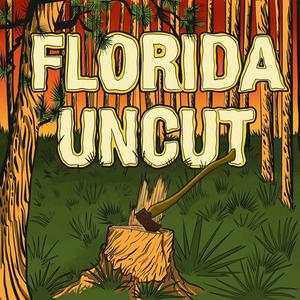
Get ready to explore Florida's vibrant conservation community with Florida Uncut. Each episode is a conversation with the individuals doing the work to protect and connect wild Florida. Whether you're a seasoned conservationist or you simply want to learn more about Florida's wild side, this podcast is here to inspire you with captivating stories and firsthand experiences from the often unsung heroes dedicated to safeguarding Florida's breathtaking natural areas and species, ensuring the real Florida remains forever 'uncut'. New episodes every two weeks...or so.Support Florida Uncut here.Podcast artwork by the extremely talented @oldfloridavibes.
Podcast websiteListen to Florida Uncut, Scotland Outdoors and many other podcasts from around the world with the radio.net app
Get the free radio.net app
- Stations and podcasts to bookmark
- Stream via Wi-Fi or Bluetooth
- Supports Carplay & Android Auto
- Many other app features
Get the free radio.net app
- Stations and podcasts to bookmark
- Stream via Wi-Fi or Bluetooth
- Supports Carplay & Android Auto
- Many other app features

Florida Uncut
Scan code,
download the app,
start listening.
download the app,
start listening.
 Ireland
