

Listen to this podcast in the app for free: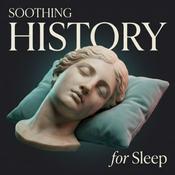 Download for free in the App Store
radio.net
Sleep timer
Save favourites
66 episodes
The Dirty Jobs of Ancient Rome
05/10/2026 | 27 mins.In first-century Pompeii, clean clothing, fresh bread, and reliable water depended on work that often remains visible only through altered rooms, basins, mills, pipes, inscriptions, and official texts. This calm documentary follows the practical labor behind these ordinary comforts. It begins in the fullery conventionally called that of Stephanus, where a former household basin was adapted for textile treatment. From there, the episode considers Roman fullers, the careful limits of evidence about cleaning materials, and a public dedication made by fullers to the benefactor Eumachia.
The story then moves to the newly excavated bakery complex in Regio Nine, Insula Ten, where archaeologists have identified productive spaces and evidence interpreted as restricted labor conditions. Comparisons with Rome, rural estate advice, and later Ostia show that infrastructure and material reuse also required continuing human effort. Throughout, the surviving evidence is kept separate from assumptions about unnamed workers' private lives, wages, health, or feelings.
The result is a quiet account of useful tasks, unequal freedom, and the many people required to keep a Roman town functioning.
Learn more from the Forbidden Knowledge Network: https://FKNpods.com
This podcast uses artificial intelligence in its research, writing, production, and narration. Episodes are editorially reviewed before publication.
#SoothingHistoryForSleep #SoothingHistoryForSleepEverydayLifeAndSocialHist #AncientRomanWorkers #PompeiiFullonica #RomanLaundry
YES OR NO: Would you like another calm episode about the everyday workers of an ancient city???????The Strange World of Traveling Medicine Shows
28/09/2026 | 29 mins.Around nineteen hundred, a traveling medicine show could begin with something very plain: a form for booking a hall or a lot. From that practical piece of paper came broadsides, tickets, entertainers, songs, sales appeals, pamphlets, and bottles carrying promises of relief. This episode follows a carefully limited reconstruction of one representative American stop, while keeping the surviving evidence in view.
It considers how entertainment helped promoters gather an audience, how printed material extended a company’s message after the evening ended, and what an ordinary customer could truly know about a remedy being offered. The Kickapoo Indian Medicine Company provides an important documented example, alongside separate promotional objects from Hamlin’s Wizard Oil Company. Their materials are kept distinct.
The episode also examines the difference between the Kickapoo Nation, Native performers employed in company-sponsored entertainment, and the non-Native business owners who used the Kickapoo name in advertising. Finally, it follows the gradual changes brought by the Food and Drugs Act of nineteen hundred and six, its legal limits, and the continued uncertainty faced by consumers.
Learn more from the Forbidden Knowledge Network: https://FKNpods.com
This podcast uses artificial intelligence in its research, writing, production, and narration. Episodes are editorially reviewed before publication.
#SoothingHistoryForSleep #SoothingHistoryForSleepEverydayLifeAndSocialHist #TravelingMedicineShows #PatentMedicines #KickapooIndianMedicineCompany
YES OR NO: Would you have attended a traveling medicine show for the entertainment, even if you were unsure about the remedies? YES OR NO??????How Cities Smelled Before Modern Sanitation
20/09/2026 | 36 mins.In June of eighteen fifty-eight, members of Parliament met beside the Thames at Westminster while the polluted river had become an unavoidable public nuisance. Benjamin Disraeli described it in the House of Commons as “a Stygian pool, reeking with ineffable and intolerable horrors.” His words belonged to a political debate about London’s drainage, but they also point toward a larger history of household vessels, cesspits, carts, horses, markets, drains, rivers, sewers, and the people whose work kept city waste moving.
This episode follows London as its main route, while making careful comparisons with ancient Rome, medieval and early-modern European towns, nineteenth-century Paris, and New York. It considers what records can tell us about old urban smells, and what they cannot. Cities did contain strong odors from animals, smoke, food, workshops, rivers, waste, and crowded homes. Yet they were not places where nobody noticed or managed such conditions. Residents complained, officials issued rules, workers swept streets, emptied pits, carried waste, and recovered materials for reuse.
The story also follows a major change in public health. Foul air was once widely believed to spread epidemic disease. That explanation was mistaken for cholera, but reforms inspired by it often removed genuine environmental hazards. By the end, the clean-looking modern street appears not as a place without waste, but as a place where waste has been placed inside a vast and continuing system of labor and infrastructure.
Learn more from the Forbidden Knowledge Network: https://FKNpods.com
This podcast uses artificial intelligence in its research, writing, production, and narration. Episodes are editorially reviewed before publication.
#SoothingHistoryForSleep #HighCuriositySocialHistoryEverydayLifePublicHeal #UrbanSanitationHistory #HistoricalCitySmells #NightSoilAndSewage
YES OR NO: Did the Great Stink of eighteen fifty-eight mainly speed up plans that London already had for new sewers???????The Strange History of Plague Doctors
13/09/2026 | 34 mins.The familiar plague doctor, with a long birdlike beak, dark clothing, glass eye pieces, gloves, and staff, is often placed in the Black Death of the fourteenth century. Yet the surviving record tells a quieter and more complicated story. Municipal plague physicians were real. Cities hired them to visit infected households, examine patients, report cases, work in isolation hospitals, and accept restrictions that separated them from ordinary life. But the famous beaked costume appears securely only much later, mainly in seventeenth-century France and Italy.
This episode follows a contract made in Pavia in 1479 with Giovanni de Ventura, a physician hired during a plague emergency. It moves through Venetian isolation islands, civic health boards, household inspections, disputed accounts of Charles de Lorme, a satirical German engraving of a Roman plague doctor, Nathaniel Hodges in London, and the Marseille epidemic of 1720. Along the way, it considers how incomplete medical knowledge could still produce useful practices of reporting, quarantine, separation, and organized care.
The beaked figure was real enough to enter early modern books and prints, but it was never securely the universal uniform that later memory made it. What survives is a history of workers, contracts, hospitals, rules, images, and uncertain objects. What does not survive so clearly is how often the strange costume was truly worn.
Learn more from the Forbidden Knowledge Network: https://FKNpods.com
This podcast uses artificial intelligence in its research, writing, production, and narration. Episodes are editorially reviewed before publication.
#SoothingHistoryForSleep #HighCuriosityMedicalAndEverydayLifeSocialHistory #PlagueDoctors #BeakedMask #HistoryOfMedicine
YES OR NO: Did you know that the famous beaked plague doctor costume is not securely documented during the Black Death???????How People Went to the Bathroom in the Ancient World
07/09/2026 | 32 mins.Ancient bathrooms did not look the same from one city, century, or household to another. This calm social-history episode follows the evidence from Mesopotamian household drains and uncertain Egyptian settlement remains to Greek chamber pots, Hellenistic built-in toilets, Roman cesspits, public latrines, sewers, and urine collection. Along the way, it separates popular stories from what archaeology and ancient texts can really show. Marble seats at Ostia, pits beneath Pompeian properties, clay vessels in Greek homes, and the great drains of Rome all reveal a practical daily problem handled through water, earth, pottery, labor, and local custom.
Learn more from the Forbidden Knowledge Network: https://FKNpods.com
This podcast uses artificial intelligence in its research, writing, production, and narration. Episodes are editorially reviewed before publication.
#SoothingHistoryForSleep #IntimateEverydayLifeSocialHistoryBodilyHistoryAn #AncientToilets #RomanLatrines #AncientSanitation
YES OR NO: Would you rather visit an ancient Roman public latrine or an ancient Greek household with a chamber pot???????
More Documentary podcasts
 The Documentary PodcastDocumentary, Society & Culture
 CriminalDocumentary, Society & Culture, True Crime
 A Very British CultDocumentary, Society & Culture, True Crime
 SAS: The Shadow WarDocumentary, Government, History, Society & Culture
 I’m Not a Monster Presents… Where is Austin Tice?Documentary, Society & Culture, True Crime
 The Birth KeepersDocumentary, Society & Culture
 Black Box: The ChatbotsDocumentary, News, Society & Culture
 Careless | Tortoise InvestigatesDocumentary, Society & Culture, True Crime
 Focus: We Keep Us SafeDocumentary, Society & Culture
 World of SecretsDocumentary, Society & Culture
Trending Documentary podcasts


About Soothing History for Sleep
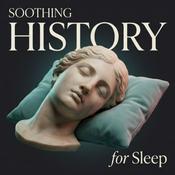
Soothing History for Sleep explores the strange, intimate, uncomfortable, and often surprising realities of everyday life in the past. From ancient sex and marriage to medieval medicine, bizarre hygiene, dangerous beauty, forgotten drugs, disease, survival, work, food, and private customs, each episode reveals what life was really like for ordinary people throughout history. Calm, carefully researched narration turns even history’s strangest subjects into relaxing stories designed for sleep.
Bonus content:
https://www.patreon.com/theforbiddenknowledgenetwork
Podcast websiteListen to Soothing History for Sleep, The Documentary Podcast and many other podcasts from around the world with the radio.net app
Get the free radio.net app
- Stations and podcasts to bookmark
- Stream via Wi-Fi or Bluetooth
- Supports Carplay & Android Auto
- Many other app features
Get the free radio.net app
- Stations and podcasts to bookmark
- Stream via Wi-Fi or Bluetooth
- Supports Carplay & Android Auto
- Many other app features

Soothing History for Sleep
Scan code,
download the app,
start listening.
download the app,
start listening.
Soothing History for Sleep: Podcasts in Family
 Ireland