From Santa Fe to Silence: Zorro Ranch and Jeffrey Epstein (Part 2 ) (4/14/26)
15/04/2026 | 16 mins.
Jeffrey Epstein’s Zorro Ranch in New Mexico was far more than a secluded estate—it was a fortress of influence, shielded by political connections, legal loopholes, and geographic isolation. Acquired in the early 1990s through ties to the powerful King family, the sprawling property benefited from a sex offender registry loophole that allowed Epstein to avoid public monitoring after his 2008 conviction. With friends like former Governor Bill Richardson, proximity to the elite Santa Fe Institute, and state trust land leases that expanded his buffer of privacy, Epstein found in New Mexico a jurisdiction uniquely suited to let him operate unchecked.
Despite credible victim accounts placing abuse at the ranch, New Mexico authorities never conducted a serious investigation, choosing instead to hand the matter over to federal prosecutors. This “punting” avoided the political fallout that might have come from probing Epstein’s local connections and land deals, but it also ensured that years of potential evidence went uncollected. By the time the federal case took center stage in 2019, Zorro Ranch was little more than a missed opportunity for justice—proof that in New Mexico, as elsewhere, the powerful can secure safe harbor when the right people look the other way.
From Santa Fe to Silence: Zorro Ranch and Jeffrey Epstein (Part 1 ) (4/14/26)
14/04/2026 | 13 mins.
Jeffrey Epstein’s Zorro Ranch in New Mexico was far more than a secluded estate—it was a fortress of influence, shielded by political connections, legal loopholes, and geographic isolation. Acquired in the early 1990s through ties to the powerful King family, the sprawling property benefited from a sex offender registry loophole that allowed Epstein to avoid public monitoring after his 2008 conviction. With friends like former Governor Bill Richardson, proximity to the elite Santa Fe Institute, and state trust land leases that expanded his buffer of privacy, Epstein found in New Mexico a jurisdiction uniquely suited to let him operate unchecked.
Despite credible victim accounts placing abuse at the ranch, New Mexico authorities never conducted a serious investigation, choosing instead to hand the matter over to federal prosecutors. This “punting” avoided the political fallout that might have come from probing Epstein’s local connections and land deals, but it also ensured that years of potential evidence went uncollected. By the time the federal case took center stage in 2019, Zorro Ranch was little more than a missed opportunity for justice—proof that in New Mexico, as elsewhere, the powerful can secure safe harbor when the right people look the other way.
Adriana Ross FBI 302 Raises Questions on Epstein’s Role in Trump–Melania Introduction (Part 2) (4/14/26)
14/04/2026 | 14 mins.
Newly surfaced FBI material indicates that Jeffrey Epstein may have played a role in introducing Melania Trump to Donald Trump, directly contradicting prior public denials that any such connection existed. The information suggests that Epstein’s social network extended into the circumstances surrounding how the two met, raising questions about earlier efforts to distance that relationship from him. This contradiction has intensified scrutiny, particularly as officials and public figures continue to push narratives that minimize or deny Epstein’s proximity to influential circles.
The information traces back to an FBI FD-302 interview with Adriana Ross, one of Jeffrey Epstein’s longtime associates, in which she described elements of Epstein’s social orbit and interactions with high-profile figures. In that interview summary, Ross allegedly indicated that Epstein had a role in facilitating the introduction between Melania and Donald Trump, placing him closer to that moment than publicly acknowledged. Because FD-302s are internal FBI records that capture agents’ recollections of witness statements rather than verbatim transcripts, the account reflects what Ross told investigators at the time, adding a layer of evidentiary significance while still leaving room for interpretation and dispute.
Adriana Ross FBI 302 Raises Questions on Epstein’s Role in Trump–Melania Introduction (Part 1) (4/14/26)
14/04/2026 | 11 mins.
Newly surfaced FBI material indicates that Jeffrey Epstein may have played a role in introducing Melania Trump to Donald Trump, directly contradicting prior public denials that any such connection existed. The information suggests that Epstein’s social network extended into the circumstances surrounding how the two met, raising questions about earlier efforts to distance that relationship from him. This contradiction has intensified scrutiny, particularly as officials and public figures continue to push narratives that minimize or deny Epstein’s proximity to influential circles.
The information traces back to an FBI FD-302 interview with Adriana Ross, one of Jeffrey Epstein’s longtime associates, in which she described elements of Epstein’s social orbit and interactions with high-profile figures. In that interview summary, Ross allegedly indicated that Epstein had a role in facilitating the introduction between Melania and Donald Trump, placing him closer to that moment than publicly acknowledged. Because FD-302s are internal FBI records that capture agents’ recollections of witness statements rather than verbatim transcripts, the account reflects what Ross told investigators at the time, adding a layer of evidentiary significance while still leaving room for interpretation and dispute.
Donald Trump Has His 10 Billion Dollar Lawsuit Against WSJ Tossed By A Federal Judge (4/14/26)
14/04/2026 | 12 mins.
A federal judge dismissed Donald Trump’s $10 billion defamation lawsuit against The Wall Street Journal, which stemmed from a report about a sexually suggestive letter allegedly included in a birthday book compiled for Jeffrey Epstein. Trump had claimed the story was false and damaging, insisting the letter was fabricated and suing the paper, its parent company, and associated figures. However, U.S. District Judge Darrin Gayles ruled that Trump’s legal team failed to meet the required standard for defamation involving public figures—specifically, they did not plausibly show that the publication acted with “actual malice,” meaning knowingly publishing false information or acting with reckless disregard for the truth.
The court noted that the newspaper had taken steps to verify the information and had reached out to Trump for comment before publication, which weakened his claim. While the case was dismissed, it was done without prejudice, meaning Trump has the option to amend and refile the lawsuit with stronger arguments by a set deadline. The ruling represents a setback in Trump’s broader pattern of legal challenges against media outlets over coverage tied to Epstein and other controversies, with the judge emphasizing that the original complaint lacked sufficient evidence to proceed.
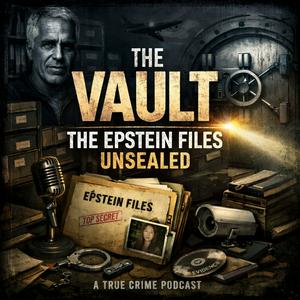
The Vault: The Epstein Files Unsealed is a deep-dive investigative podcast that pulls back the curtain on one of the most protected criminal networks in modern history. This series is built from the ground up on the actual paper trail—unsealed court records, depositions, exhibits, emails, and filings that were never meant to be read by the public. No pundit panels. No spin. Just the documents themselves, examined line by line, name by name, connection by connection—paired with precise, document-driven analysis that explains what the record truly shows.Each episode opens the vault on newly unsealed or long-buried Epstein files and walks listeners through what they actually reveal about power, money, influence, and the systems that failed survivors at every turn. Alongside the filings themselves, informed commentary breaks down the legal strategy, the institutional behavior, the contradictions, and the implications hiding between the lines. From judges’ orders and sealed exhibits to sworn testimony and back-channel communications, the show connects the dots the media often won’t—or can’t. Patterns emerge. Timelines collapse. Excuses fall apart.The Vault is a working archive in audio form, a living record of the Epstein case as told by the courts themselves—supplemented by rigorous analysis that provides context, challenges official narratives, and exposes where the record has been distorted, sanitized, or deliberately ignored. Every claim is grounded in filings. Every episode is anchored to the record. Listeners aren’t told what to think—they are shown what exists, what was said under oath, and what the commentary reveals about how those facts were buried, softened, or misrepresented.If you want to understand how Jeffrey Epstein was protected, who circled him, how institutions closed ranks, and why accountability keeps slipping through the cracks, The Vault: The Epstein Files Unsealed is where the record finally speaks for itself—and where the commentary ensures the documents do what no press release ever will.



























 Ireland