
Listen to this podcast in the app for free: Download for free in the App Store
radio.net
Sleep timer
Save favourites
164 episodes

🇮🇹 Casa dolce casa: tra traslochi, ristrutturazioni e... lampadari!
21/10/2026 | 6 mins.In questa puntata vi raccontiamo com'è andato il recente (e rocambolesco!) trasloco di Alessio: tra lavori in casa, artigiani in ritardo, il caldo d'agosto e persino un lampadario in vetro di Murano precipitato da tre piani... Ma niente paura: come diciamo spesso, non tutto il male vien per nuocere!
🎯 Cosa imparerai in questo episodio:
Differenza tra "trasferirsi" e "traslocare": due verbi dal significato affine ma non identico.
I professionisti per i lavori in casa:Idraulico: lo specialista degli impianti idrici (dell'acqua).
Elettricista: chi si occupa di tutto ciò che riguarda l'impianto elettrico.
Muratore: l'operaio specializzato nella costruzione e ristrutturazione di opere in muratura (muri ed edifici).
Traslocatore: la persona o la ditta che aiuta a organizzare e realizzare il trasloco.
L'espressione idiomatica "non tutto il male vien per nuocere": l’avevamo già trovata, ricordate? Nell’episodio 2 di questa stessa stagione!
————————————————————————————
🇬🇧 Home sweet home: moving, renovations, and... chandeliers!
In this episode, we tell you all about Alessio's recent (and chaotic!) move: between home renovations, delayed contractors, the August heat, and even a Murano glass chandelier falling down three floors... But don't worry: as we often say in Italian, non tutto il male vien per nuocere!
🎯 What you will learn in this episode:
Difference between "trasferirsi" and "traslocare": two verbs with similar but distinct meanings.
Home contractors and tradespeople:Idraulico: plumber (specialist in water systems).
Elettricista: electrician (specialist in electrical systems).
Muratore: builder/mason (worker specialized in masonry, walls, and structural renovations).
Traslocatore: mover (the person or company helping you organize and execute the move).
The idiom "non tutto il male vien per nuocere": literally "not all harm comes to cause damage," meaning that a negative situation or unpleasant event can sometimes yield a positive outcome or an unexpected opportunity (equivalent to "every cloud has a silver lining").
I nostri contatti / Our contacts
📧 podcast@scuolaleonardo.com
🎤 podcast.scuolaleonardo.com (puoi lasciarci un messaggio vocale)
📲 Facebook - Instagram - TikTok - Youtube
Scuola Leonardo da Vinci
🌐 https://www.scuolaleonardo.com/
📧 scuolaleonardo@scuolaleonardo.comCos'è un putiferio? Le parole del caos in italiano 🌪️🇮🇹
14/10/2026 | 7 mins.Avete mai sentito frasi come "Che casino!" o "È successo un quarantotto!" e vi siete chiesti da dove arrivino queste espressioni così colorate?
In questa puntata vi accompagniamo in un divertente viaggio alla scoperta delle parole che gli italiani usano per descrivere il caos e la confusione.
🎯 Cosa imparerai in questo episodio:
L'origine di putiferio: scopri le tre diverse sfumature di questa parola e la sua affascinante storia legata a un racconto biblico e al termine "vituperio".
I numeri che fanno la storia: perché diciamo "fare un quarantotto" per indicare il disordine totale?
L'origine "infernale" di pandemonio (inventata dal poeta John Milton), la baraonda e il termine romanesco caciara.
La vera storia di casino: come un termine considerato in passato quasi una parolaccia sia diventato la parola colloquiale più usata dagli italiani ogni giorno.
Ascolta la puntata per arricchire il tuo vocabolario e imparare a descrivere ogni momento di disordine come un vero madrelingua! 🎧✨
🇬🇧 What is a putiferio? Words for chaos in Italian 🌪️🇮🇹
Have you ever heard expressions like "Che casino!" or "È successo un quarantotto!" and wondered where these colorful phrases come from?
In the latest episode of ITALIANO ON-AIR, Katia and Alessio take you on a fun journey to explore the many words Italians use to describe chaos and confusion.
🎯 What you’ll learn in this episode:
The origin of putiferio: Discover the three main nuances of this word and its fascinating backstory combining a Biblical tale and the formal word vituperio.
History through numbers: Why do Italians say "fare un quarantotto" to describe complete chaos?
The "hellish" roots of pandemonio (coined by English poet John Milton), the story behind baraonda, and the Roman slang term caciara.
The real story of casino: How a word once considered taboo evolved into the most common everyday expression for a mess or a problem.
Tune in to boost your Italian vocabulary and learn how to describe messy situations just like a native speaker! 🎧✨
I nostri contatti / Our contacts
📧 podcast@scuolaleonardo.com
🎤 podcast.scuolaleonardo.com (puoi lasciarci un messaggio vocale)
📲 Facebook - Instagram - TikTok - Youtube
Scuola Leonardo da Vinci
🌐 https://www.scuolaleonardo.com/
📧 scuolaleonardo@scuolaleonardo.comCi vediamo in Piazza!
07/10/2026 | 8 mins.Se ci diamo appuntamento in piazza, dobbiamo stare attenti a specificare un punto preciso. Perché? Lo scopriamo in questo episodio dove ripercorreremo la storia della piazza, centro nevralgico della vita sociale e culturale italiana dal foro romano a oggi, scoprendo anche i principali modi di dire legati alla piazza.
🎯 Cosa imparerai in questa puntata:
I modi di dire con la parola "piazza":Scendere in piazza: cosa significa partecipare a una manifestazione o protestare pubblicamente.
Mettere in piazza qualcosa: l'uso idiomatico per indicare quando si rende pubblica una questione personale o riservata.
Fare piazza pulita: come utilizzare questa formula per dire che si sta eliminando completamente qualcosa (oggetti, vecchie carte o abitudini).
Proverbi ed espressioni utili: come e quando usare la frase "Non tutto il male vien per nuocere" di fronte a un imprevisto.
Cultura e contesto linguistico: come l'architettura e la società cambiano il nostro modo di parlare.
🎧 Ascolta l'episodio per migliorare il tuo italiano parlato e arricchire il tuo vocabolario con espressioni autentiche!
Nota della puntata: l’ispirazione per questo argomento nasce dall'approfondimento presente sulla rivista per studenti di lingua italiana "Italiano per buongustai" di Yevgenia che potete trovare qui: https://amzn.eu/d/0hyH4x71
————————————————————————————
See you in the piazza!
If we decide to meet in a piazza in Italy, we need to pick a specific spot. Why? We’ll find out in this episode, where we trace the history of the Italian piazza—the heart of Italian social and cultural life, from the Roman Forum to modern-day pedestrian zones—while also discovering the main idioms related to it!
🎯 What you'll learn in this episode:
Idioms using the word "piazza":Scendere in piazza: what it means to take part in a public demonstration or protest publicly.
Mettere in piazza qualcosa: how to use this idiom when making a personal or private matter public.
Fare piazza pulita: how to use this phrase to say you are making a clean sweep or getting rid of something completely (objects, old paperwork, or habits).
Proverbs and useful expressions: How and when to use the phrase "Non tutto il male vien per nuocere" ("Every cloud has a silver lining") when dealing with an unexpected situation.
Culture and linguistic context: How architecture and society influence the language.
🎧 Listen to the episode to improve your spoken Italian and enrich your vocabulary with authentic expressions!
Episode Note: The inspiration for this topic comes from an article in the magazine for Italian learners, "Italiano per buongustai" by Yevgenia, which you can find here: https://amzn.eu/d/0hyH4x71.
I nostri contatti / Our contacts
📧 podcast@scuolaleonardo.com
🎤 podcast.scuolaleonardo.com (puoi lasciarci un messaggio vocale)
📲 Facebook - Instagram - TikTok - Youtube
Scuola Leonardo da Vinci
🌐 https://www.scuolaleonardo.com/
📧 scuolaleonardo@scuolaleonardo.comIl Premio Strega e il ritorno di 🇮🇹ITALIANO ON-AIR🎙️
30/09/2026 | 5 mins.Dopo tre mesi di stop estivo, Alessio e Katia vi aspettano per una nuova stagione piena di curiosità, cultura ed espressioni utili per il vostro italiano!
In questa prima puntata ripartiamo con una bella chiacchierata sui libri e parliamo del Premio Strega, il premio letterario più importante d'Italia.
Sapete perché si chiama così? E cosa c'entra un famoso liquore campano con la letteratura? Katia ci svela la storia di questo riconoscimento, nato nel 1947, e ci presenta il libro vincitore di quest'anno: "I convitati di pietra" di Michele Mari.
Cosa imparerai in questo episodio?
Scopriamo insieme tre utilissime espressioni italiane:
Andare sul sicuro
Far ripartire
Incuriosire
Ascolta la puntata, scopri la magia del Premio Strega e lasciaci un commento sui nostri social (Instagram - Facebook - TikTok) per dirci se hai mai letto un libro premiato! 📚☕
--------------------------------------------------
🇬🇧 The Strega Prize and the Return of 🇮🇹ITALIANO ON-AIR🎙️
After a three-month summer break, Alessio and Katia are back to welcome you to a brand-new season full of fun facts, culture, and useful expressions to boost your Italian!
In this first episode, we kick off with a great chat about books and dive into the Strega Prize, Italy's most prestigious literary award. Do you know why it's called that? And what does a famous liqueur from Campania have to do with literature? Katia reveals the history behind this award created in 1947 and introduces this year's winning book: "I convitati di pietra" by Michele Mari.
What will you learn in this episode?
We’ll discover three super useful Italian expressions together:
Andare sul sicuro (To play it safe / Go with a sure thing)
Far ripartire (To restart / Get something going again)
Incuriosire (To intrigue / Pique someone's curiosity)
Listen to the episode, discover the magic of the Strega Prize, and leave us a comment on social media (Instagram - Facebook - TikTok) to tell us if you've ever read a winning book! 📚☕
I nostri contatti / Our contacts
📧 podcast@scuolaleonardo.com
🎤 podcast.scuolaleonardo.com (puoi lasciarci un messaggio vocale)
📲 Facebook - Instagram - TikTok - Youtube
Scuola Leonardo da Vinci
🌐 https://www.scuolaleonardo.com/
📧 scuolaleonardo@scuolaleonardo.comEstate in Italia: guida a sagre, festival e feste popolari
01/07/2026 | 8 mins.L’estate in Italia è sinonimo di piazze vive, musica all'aperto e, soprattutto, tanto buon cibo. Ma ti sei mai chiesto qual è la differenza esatta tra una sagra e un festival? O perché una manifestazione non è sempre una protesta?
Nell'ultimo episodio della stagione 13 di 🇮🇹ITALIANO ON-AIR🎙️, Katia e Alessio ci accompagnano in un viaggio ravvicinato attraverso le parole dell'estate italiana, aiutandoti a comprendere le sfumature di significato di termini apparentemente simili ma che raccontano tradizioni molto diverse.
Cosa imparerai in questo episodio?
🌟 Il Festival: Cultura, Arte e Direzione Artistica
A differenza di una semplice festa, il festival si distingue per avere un tema comune ben preciso (musica, cinema, teatro, letteratura), un programma strutturato e una direzione artistica. Nell'episodio scoprirai alcuni dei festival estivi più famosi al mondo.
🍷 La Sagra: Il Cuore della Tradizione Enogastronomica
Forse la parola più autenticamente italiana di tutte. Katia e Alessio ti spiegano perché, se vedi un cartello con scritto "Sagra del..." (che sia del tartufo, della castagna o del pesce), devi assolutamente seguirlo per assaggiare le eccellenze del posto.
🏛️ Gli altri termini dell'estate: non fare confusione!
Nel corso della puntata imparerai a distinguere chiaramente anche:Festa e Festa Patronale: celebrazioni dedicate ai Santi Protettori. Ne abbiamo già parlato in un altro episodio, se vuoi riascoltarlo: https://podcast.scuolaleonardo.com/feste-patronali-episodio-1-stagione-5/
Manifestazione: un termine formale che indica qualunque evento pubblico organizzato (culturale, sportivo, musicale) e non solo una protesta politica.
Fiera e Salone: eventi espositivi e commerciali, dai mercati di artigianato fino ai grandissimi eventi specializzati come il Salone del Libro di Torino.
Palio: molto più di una gara sportiva; una competizione storica medievale tra quartieri vissuta con enorme passione e tifo locale (come il celebre Palio di Siena).
Quest'estate, se ti trovi in Italia, osserva i manifesti degli eventi intorno a te. Chiediti: è una festa, una sagra o un festival?
Ascolta l'episodio completo per affinare il tuo ascolto, migliorare il tuo vocabolario e prepararti a vivere l'estate come un vero italiano. Buona estate e ci risentiamo a settembre!
--------------------------------------------------
🇬🇧 Summer in Italy: A Guide to Sagre, Festivals, and Folk Celebrations
Summer in Italy is synonymous with lively squares, open-air music, and, above all, plenty of good food. But have you ever wondered what the exact difference is between a sagra and a festival? Or why a manifestazione isn't always a protest?
In the final episode of season 13 of 🇮🇹ITALIANO ON-AIR🎙️, Katia and Alessio take us on an up-close journey through the words of the Italian summer, helping you understand the nuances of meaning behind terms that seem similar but tell the stories of very different traditions.
What will you learn in this episode?
🌟 The Festival (Il Festival): Culture, Art, and Artistic Direction
Unlike a simple party or celebration, a festival stands out for having a specific common theme (music, cinema, theater, literature), a structured program, and an artistic direction. In this episode, you will discover some of the world's most famous summer festivals.
🍷 The Sagra: The Heart of Food and Wine Tradition
Perhaps the most authentically Italian word of all. Katia and Alessio explain why, if you see a sign that reads "Sagra del..." (whether it's for truffles, chestnuts, or fish), you absolutely must follow it to taste the local delicacies.
🏛️ Other Summer Terms: Don't Get Confused!
Throughout the episode, you will also learn to clearly distinguish between:
Festa and Festa Patronale: public celebrations dedicated to Patron Saints. We already talked about this in another episode, if you'd like to listen to it again: https://podcast.scuolaleonardo.com/feste-patronali-episodio-1-stagione-5/
Manifestazione: a formal term that refers to any organized public event (cultural, sporting, musical) and not just a political protest!
Fiera and Salone: exhibition and commercial events, ranging from craft markets to massive, specialized events like the Turin International Book Fair (Salone del Libro).
Palio: much more than a sporting event; a historic medieval competition between neighborhoods, experienced with immense passion and local rivalry (like the famous Palio di Siena).
This summer, if you find yourself in Italy, take a look at the event posters around you. Ask yourself: is it a festa, a sagra, or a festival? Listen to the full episode to sharpen your listening skills, boost your vocabulary, and get ready to experience summer like a true Italian. Have a great summer, and we'll catch up again in September!
I nostri contatti / Our contacts
📧 podcast@scuolaleonardo.com
🎤 podcast.scuolaleonardo.com (puoi lasciarci un messaggio vocale)
📲 Facebook - Instagram - TikTok - Youtube
Scuola Leonardo da Vinci
🌐 https://www.scuolaleonardo.com/
📧 scuolaleonardo@scuolaleonardo.com
More Courses podcasts










Trending Courses podcasts






About Italiano ON-Air
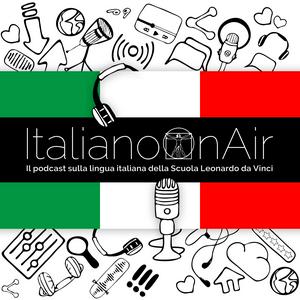
Il podcast sulla lingua italiana della Scuola Leonardo da VinciNella nostra scuola di lingua italiana poniamo molto accento sulla lingua parlata, quella che ti permette di avere scambi fluidi con i madrelingua e anche di imparare la grammatica e gli usi della lingua in modo semplice e divertente.Da qui è nata l'idea di un podcast! I nostri insegnanti di lingua italiana hanno pensato ad un format sulla lingua italiana, per imparare vocaboli, espressioni, modi di dire. Per praticare l'ascolto e la pronuncia. Su Italiano ON Air potrai sentire un dialogo su un argomento di attualità o di cultura, e qualche volta saranno protagonisti anche i nostri studenti!Seguici!The podcast on the Italian language by Scuola Leonardo da VinciIn our Italian language school we put a lot of emphasis on the spoken language, the one that allows you to have fluent exchanges with native speakers and also to learn grammar in a simple and fun way.Hence the idea of a podcast! Our Italian language teachers have thought of a format for the Italian language, to learn words, expressions, and idioms. To practice listening and pronunciation. On "Italiano ON-Air" you can hear dialogue on a topical or cultural topic, and sometimes our students will be protagonists too!
Podcast websiteListen to Italiano ON-Air, CISSP Cyber Training Podcast - CISSP Training Program and many other podcasts from around the world with the radio.net app
Get the free radio.net app
- Stations and podcasts to bookmark
- Stream via Wi-Fi or Bluetooth
- Supports Carplay & Android Auto
- Many other app features
Get the free radio.net app
- Stations and podcasts to bookmark
- Stream via Wi-Fi or Bluetooth
- Supports Carplay & Android Auto
- Many other app features

Italiano ON-Air
Scan code,
download the app,
start listening.
download the app,
start listening.
 Ireland
