PodcastsNatureVoices of Greater Yellowstone

Voices of Greater Yellowstone

Greater Yellowstone Coalition
Voices of Greater Yellowstone
Latest episode

45 episodes

  • Voices of Greater Yellowstone

    The Stealthy Threat of Noxious Weeds

    28/04/2026 | 57 mins.
    Medusahead. Black Henbane. Dyer’s woad. Ventenata. Yellow starthistle. Heavy metal bands, or noxious weeds found in the Greater Yellowstone Ecosystem?
    We’re all pretty familiar with the common weeds that make their appearance in our yards and hometowns. Despite their status, I’m still a fan of dandelions. But what makes a noxious weed, a noxious weed? 
    It’s a surprising issue found here in the Greater Yellowstone Ecosystem. Conservation topics like the politics of grizzly bears or the increase of wildfires get top billing in the media, while noxious weeds are more of an under-the-radar threat. 
    Well, we’re here to change that and share why you should be aware of noxious weeds in Greater Yellowstone and how you can help prevent their spread. Spoiler alert: humans are of course, the top spreaders of noxious weed seeds. 
    Joining us today is Bethany Allen, wildlife habitat director at Park County Environmental Council in Livingston, Montana. In her work, Bethany partnered with Montana State University and the Park County Cooperative Management Area to lead county-wide monitoring and education—work that resulted in the development of the statewide Montana Noxious Weed Monitoring Toolbox now housed with the Montana Department of Agriculture. We’ll discuss how noxious weeds are dramatically affecting both terrestrial and aquatic habitats, why noxious weeds like cheatgrass are so hard to stop from spreading, and her top three species she would make disappear with her magic wand. 
    We’ll try to stay out of the weeds—while talking about weeds!
    The Greater Yellowstone Ecosystem is the land of 49+ Indigenous Tribes who maintain current and ancestral connections to the lands, waters, wildlife, plants, and more.

    Voices of Greater Yellowstone was created by the Greater Yellowstone Coalition, a conservation nonprofit dedicated to working with people to protect the lands, waters, and wildlife of the Greater Yellowstone Ecosystem, now and for future generations.
    > Join our Online Community and Receive Two FREE Stickers
    > Montana Noxious Weeds Resource
    > Wyoming Noxious Weeds Resource
    > Idaho Noxious Weeds Resource
    > Follow GYC on Facebook, Instagram, or LinkedIn
    > Donate to the Greater Yellowstone Coalition
    Podcast Artwork > Rachel Dunlap Art
    Music > Redwood Trail by Audionautix is licensed under a Creative Commons Attribution license (https://creativecommons.org/licenses/...)
    Thumbnail Photo > Jennifer Strickland/U.S. Fish and Wildlife Service
    Send us a note!
    Support the show
  • Voices of Greater Yellowstone

    Sandhill Cranes: Greater Yellowstone's Modern Dinosaurs

    26/03/2026 | 1h 7 mins.
    Have you ever heard what sounds like a prehistoric call on the air? It’s one of my favorite sounds that signals spring’s arrival in the Greater Yellowstone Ecosystem.
    One of my favorite questions to ask friends, or just people I meet in general, is "What’s your favorite bird?" I’m usually met with a long groan at the impossible nature of the question. Many times, the answer I receive is a Sandhill crane. 
    Sandhill cranes are seasonal visitors to the Greater Yellowstone Ecosystem. So, what is it about these lanky birds that draws us in? Is it their strange call that can be heard up to 2 ½ miles away? Is it their graceful nature as they wander wetlands and marshes? Maybe it's their fancy dance moves when they hope someone is watching.
    Famed writer and father of wildlife ecology and modern conservation Aldo Leopold once said, “When we hear his call, we hear no mere bird. We hear the trumpet in the orchestra of evolution.”
    Joining us on the episode today are Courtney Rudd and Rene Schell from the Wyoming Game and Fish Department. 
    Courtney is the Migratory Game Bird and Wetland Biologist, where her position affords abundant opportunities to collaborate with a diverse set of partners to conserve migratory game birds and their habitats, domestically and internationally. While based out of the Lander Regional Office, her responsibilities take her to all reaches of Wyoming for data collection, monitoring, project reconnaissance and implementation, and engaging with the public. 
    Rene is the Information and Education Supervisor, where she has been a dedicated voice for conservation since 2005. Rene leads a statewide team of specialists committed to the Department’s mission of "Conserving Wildlife, Serving People." As a specialist in wildlife education and public participation, Rene is passionate about creating "gateway moments" for the public—using ambassadors like the Great Horned Owl to foster a lifelong appreciation for Wyoming’s wildlife. 
    The Greater Yellowstone Ecosystem is the land of 49+ Indigenous Tribes who maintain current and ancestral connections to the lands, waters, wildlife, plants, and more.

    Voices of Greater Yellowstone was created by the Greater Yellowstone Coalition, a conservation nonprofit dedicated to working with people to protect the lands, waters, and wildlife of the Greater Yellowstone Ecosystem, now and for future generations.
    > Join our Online Community and Receive Two FREE Stickers
    > Merlin Bird ID App
    > Sandhill Crane Calls
    > Follow GYC on Facebook, Instagram, or LinkedIn
    > Donate to the Greater Yellowstone Coalition
    Podcast Artwork > Rachel Dunlap Art
    Music > Redwood Trail by Audionautix is licensed under a Creative Commons Attribution license (https://creativecommons.org/licenses/...)
    Sandhill Crane Call Audio > NPS
    Photo Tom Koerner/USFWS
    Send us a note!
    Support the show
  • Voices of Greater Yellowstone

    Virtual Fencing: Win-Win Tech for Wildlife and Livestock

    24/02/2026 | 44 mins.
    The vast public and private lands that make up Greater Yellowstone are crisscrossed with miles upon miles of fences. While fences aren’t inherently bad—and are often necessary in certain areas to keep wildlife off roads, livestock contained, and property boundaries visible—they create barriers that fragment wildlife habitat.
    What happens when wildlife can’t reach seasonal habitats—and how can we make wildlife migration and movement easier for these iconic Greater Yellowstone species?
    Virtual fencing is an exciting new technology that’s making waves across the Greater Yellowstone Ecosystem and beyond. It’s pretty much exactly what it sounds like—a nonphysical barrier that utilizes GPS and other wireless signals to keep collared livestock contained. 
    We’ll learn much more about the details of virtual fencing during the conversation, but what’s really cool about virtual fencing is that it’s an absolute win-win solution for both wildlife and ranchers. 
    Joining us on the podcast is Erin Welty, the Greater Yellowstone Coalition’s senior Wyoming conservation associate. Based in Cody, Wyoming, Erin focuses on connecting wildlife habitat and ensuring wildlife are able to migrate and move more easily across the ecosystem. She’s leading our virtual fence work and helping ranchers learn more about how they can utilize this program on their land. 
    Alright, let’s start conversation—no jumping fences required!
    The Greater Yellowstone Ecosystem is the land of 49+ Indigenous Tribes who maintain current and ancestral connections to the lands, waters, wildlife, plants, and more.

    Voices of Greater Yellowstone was created by the Greater Yellowstone Coalition, a conservation nonprofit dedicated to working with people to protect the lands, waters, and wildlife of the Greater Yellowstone Ecosystem, now and for future generations.
    > Listen on Apple Podcasts, Spotify, or wherever you get podcasts.
    > Join our Online Community and Receive Two FREE Stickers
    > Virtual Fence Resource Guide
    > Sign Up for Emails
    > Follow GYC on Facebook, Instagram, or LinkedIn
    > Donate to the Greater Yellowstone Coalition
    Podcast Artwork > Rachel Dunlap Art
    Music > Redwood Trail by Audionautix is licensed under a Creative Commons Attribution license (https://creativecommons.org/licenses/...)
    Photo > GYC/Erin Welty

    Send us a note!
    Support the show
  • Voices of Greater Yellowstone

    The Fight for Our Public Lands

    28/01/2026 | 1h 2 mins.
    I want you to think of your very favorite spot on public lands. 
    Is it a local backcountry camping site? A trail you love to hike with your friends and family? A secret location in Yellowstone National Park where you find solitude? Now, could you imagine that special spot sold off to the highest bidder and no longer accessible? 
    Today, this is a very real threat. Our public lands are under attack. 
    2025 was full of assaults on our public lands. From proposed selloffs and protection rollbacks to the nomination of anti-conservation people to lead public land agencies, we’re seeing constant threats on public lands the likes of which we haven’t seen in decades. 
    Still, it most certainly isn’t hopeless. Joining us on the podcast today are the Greater Yellowstone Coalition’s Executive Director Scott Christensen and Director of Conservation Kathy Rinaldi, who have been leading the charge on defending these beloved public lands. Also, we have a guest host today with GYC’s Director of Communications and Marketing Emilie Ritter.
    The team covers what exactly public lands are and why they’re so special, what issues we’re seeing when it comes to protecting public lands, and what the Greater Yellowstone Coalition is doing to ensure public lands remain in public hands. 
    New threats emerge often, and current ones are always evolving. So while this episode was recorded in late January 2026, please check out our show notes or just head over to our website at greateryellowstone.org to learn about the most recent public lands defense news.
    The Greater Yellowstone Ecosystem is the land of 49+ Indigenous Tribes who maintain current and ancestral connections to the lands, waters, wildlife, plants, and more.

    Voices of Greater Yellowstone was created by the Greater Yellowstone Coalition, a conservation nonprofit dedicated to working with people to protect the lands, waters, and wildlife of the Greater Yellowstone Ecosystem, now and for future generations.
    > Listen on Apple Podcasts, Spotify, or wherever you get podcasts.
    > Join our Online Community and Receive Two FREE Stickers
    > Take Action for Public Lands!
    > Sign Up for Emails
    > Follow GYC on Facebook, Instagram, or LinkedIn
    > Donate to the Greater Yellowstone Coalition
    Podcast Artwork > Rachel Dunlap Art
    Music > Redwood Trail by Audionautix is licensed under a Creative Commons Attribution license (https://creativecommons.org/licenses/...)
    Send us a note!
    Support the show
  • Voices of Greater Yellowstone

    Frozen Assets: Why Greater Yellowstone Needs Snow

    29/12/2025 | 1h 3 mins.
    If you live in the Greater Yellowstone Ecosystem, or have visited during the winter months, you know just how absolutely magical this place is with a thick blanket of snow. Whether you’re out skiing, snowshoeing or admiring it from your cozy fireplace window, a snowy winter in the Greater Yellowstone Ecosystem is the best.
    Snow plays a more crucial role in this ecosystem than you could imagine. Between 70-80 percent of our water comes from snowpack in the West. When the snowpack in the mountains of the Greater Yellowstone Ecosystem and across the West melts in the spring, it feeds the rivers that provide drinking water for millions of people across the country, and irrigation water for the agricultural industry. Snow is big business – the ski industry alone is a $5 billion industry.  Many iconic, cold-loving wildlife species also rely on consistent snowpack to form their winter habitats. 
    The worrisome thing is we’re losing our snow. The amount of snow falling each year is on the decline, and scientists agree that a changing climate plays a lead role. When you hear about drought across the West, it’s often from lack of snowpack in the mountains or too much snow melting too early, leaving little runoff left for the hot late summer months. A drier future seems inevitable, so what can we do about it?
    Luckily, many smart and determined people are working toward building a resilient Greater Yellowstone Ecosystem and beyond. Today, we’re chatting with Dr. Scott Hotaling out of Utah State University’s Department of Watershed Sciences. A leading expert in mountain ecology and hydrology, Scott and his team focus on how the cryosphere—Earth’s collection of frozen water—is changing and how these changes are impacting downstream environments. He’s been working in the Teton Mountains for over a decade studying rock glaciers, which are an exciting ray of hope.
    The Greater Yellowstone Ecosystem is the land of 49+ Indigenous Tribes who maintain current and ancestral connections to the lands, waters, wildlife, plants, and more.

    Voices of Greater Yellowstone was created by the Greater Yellowstone Coalition, a conservation nonprofit dedicated to working with people to protect the lands, waters, and wildlife of the Greater Yellowstone Ecosystem, now and for future generations.
    > Listen on Apple Podcasts, Spotify, or wherever you get podcasts.
    > Join our Online Community and Receive Two FREE Stickers
    > Mountain Futures YouTube Channel
    > Mountain Futures Instagram
    > GYC's Climate and Water Work
    > Donate to the Greater Yellowstone Coalition
    Podcast Artwork > Rachel Dunlap Art
    Music > Redwood Trail by Audionautix is licensed under a Creative Commons Attribution license (https://creativecommons.org/licenses/...)
    Thumbnail Photo > NPS
    Send us a note!
    Support the show

More Nature podcasts

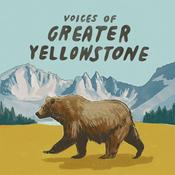
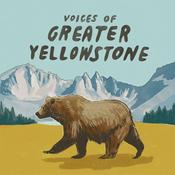
About Voices of Greater Yellowstone

The wild heart of North America - the Greater Yellowstone Ecosystem - is home to vast landscapes, roaring rivers, iconic wildlife, and diverse communities. Join us to hear the stories of those who love this wild ecosystem.
Podcast website

Listen to Voices of Greater Yellowstone, Life Without and many other podcasts from around the world with the radio.net app

Get the free radio.net app

  • Stations and podcasts to bookmark
  • Stream via Wi-Fi or Bluetooth
  • Supports Carplay & Android Auto
  • Many other app features