

Listen to this podcast in the app for free: Download for free in the App Store
radio.net
Sleep timer
Save favourites
453 episodes
451 Not a Cult: The Hidden Science Inside the 12 Steps
08/10/2026 | 58 mins.What if the steps that saved millions of lives were never really about religion at all, but about the same science therapists use in their offices every day?
Today I sit down with Dr. Dice for round two. He's a former paramedic, firefighter and Navy SEAL who blew up his life, landed in treatment, got sober through 12-step recovery, and then went all the way back to school for his PhD so he could do for others what his therapist did for him. In his doctoral research at Old Dominion University, he pulled out the theory hiding inside the 12 steps, and what he found is something he calls the holistic change model. Before we get there, he tells me how he survived BUD/S training twice after a shoulder surgery a Navy doctor said no one had ever come back from, and the rope bridge moment that ended Hell Week for his entire class.
This conversation is for anyone who has ever said "that sounds like a cult" and walked away from 12-step, and for anyone who loves someone like that.
In this episode, you'll learn:
• What emotional compulsivity is, and why drinking is often just the latest tool in a lifelong pattern
• How steps one through twelve line up with stages of change, narrative therapy, CBT and existential therapy
• Why seeing yourself as a character in your own story is the beginning of self-love
• The difference between white knuckle sobriety and a program that takes you from surviving to thriving
• How online meetings opened the door for people who are afraid of being recognized
So without further delay, please enjoy this episode, and let me know what you think!
SHOW NOTES:
Guest Website: https://bishopdicedefense.com/
👊🏼Need help applying this information to your own life?
Here are 3 ways to get started:
🎁Free Guide: 30 Tips for Your First 30 Days - With a printable PDF checklist
Grab your copy here: https://www.soberlifeschool.com
☎️Private Coaching: Make Sobriety Stick
https://www.makesobrietystick.com
Subscribe So You Don't Miss New Episodes!
Listen to the episode on Apple Podcasts, Spotify, or Amazon Music, or you can stream it from my website HERE.
You can also watch the interview on YouTube:
https://www.youtube.com/@theonedayatatimepodcast?sub_confirmation=1
Apple: https://podcasts.apple.com/us/podcast/the-one-day-at-a-time-recovery-podcast/id1212504521
Spotify: https://open.spotify.com/show/4I23r7DBTpT8XwUUwHRNpB
Amazon Music: https://music.amazon.com/podcasts/a8eb438c-5af1-493b-99c1-f218e5553aff/the-one-day-at-a-time-recovery-podcast450 Let This Be Easy and Fun: Getting Sober Your Own Way
01/10/2026 | 45 mins.What if getting sober didn't require a rock bottom at all? What if it started with two honest questions: who do I want to be, and how do I want to feel?
Today I sit down with Michaela Horvathova, a certified yoga teacher, health coach, and co-host of the 2 Sober Girls Podcast, who is four and a half years sober. After fifteen years of being sober curious, Michaela chose sobriety without a crash, simply because she knew who she wanted to be, and she built her own path to a life she loves.
In this episode, you'll learn:
• The two questions that can shift your identity faster than any rock bottom
• Why you have to replace drinking, not just remove it, and what Michaela replaced it with
• How to reframe what "fun" means in sobriety
• Why letting go of the victim story opens the door to real freedom
• How to get sober your own way without doing it alone
So without further delay, please enjoy this episode, and let me know what you think!
SHOW NOTES:
Guest Website: https://www.healthwithmichaela.com/
👊🏼Need help applying this information to your own life?
Here are 3 ways to get started:
🎁Free Guide: 30 Tips for Your First 30 Days - With a printable PDF checklist
Grab your copy here: https://www.soberlifeschool.com
☎️Private Coaching: Make Sobriety Stick
https://www.makesobrietystick.com
Subscribe So You Don't Miss New Episodes!
Listen to the episode on Apple Podcasts, Spotify, or Amazon Music, or you can stream it from my website HERE.
You can also watch the interview on YouTube:
https://www.youtube.com/@theonedayatatimepodcast?sub_confirmation=1
Apple: https://podcasts.apple.com/us/podcast/the-one-day-at-a-time-recovery-podcast/id1212504521
Spotify: https://open.spotify.com/show/4I23r7DBTpT8XwUUwHRNpB
Amazon Music: https://music.amazon.com/podcasts/a8eb438c-5af1-493b-99c1-f218e5553aff/the-one-day-at-a-time-recovery-podcast449 There's No Such Thing as Self-Sabotage
24/09/2026 | 58 mins.What if the resentment you've been carrying, even the resentment toward yourself, is really just missing information?
Today I sit down with Dr. John Demartini, human behavior specialist, creator of the Demartini Method, and one of the teachers many of us first discovered through The Secret. He has spent 54 years in personal development, and in this conversation he explains why resentment, guilt and shame come from an imbalanced view of what happened, and how asking better questions can turn them into gratitude.
In this episode, you'll learn:
• Why resentment is an imbalanced ratio of perceptions, and how to rebalance it
• Why Dr. Demartini says he has never really seen self-sabotage
• The one question that dissolved three years of guilt for a man who missed his mother's death
• Why addictive behavior is a compensation for unfulfilled highest values
• How knowing your true values and delegating the rest can break the burnout cycle
So without further delay, please enjoy this episode, and let me know what you think!
SHOW NOTES:
Guest Website: https://drdemartini.com/
👊🏼Need help applying this information to your own life?
Here are 3 ways to get started:
🎁Free Guide: 30 Tips for Your First 30 Days - With a printable PDF checklist
Grab your copy here: https://www.soberlifeschool.com
☎️Private Coaching: Make Sobriety Stick
https://www.makesobrietystick.com
Subscribe So You Don't Miss New Episodes!
Listen to the episode on Apple Podcasts, Spotify, or Amazon Music, or you can stream it from my website HERE.
You can also watch the interview on YouTube:
https://www.youtube.com/@theonedayatatimepodcast?sub_confirmation=1
Apple: https://podcasts.apple.com/us/podcast/the-one-day-at-a-time-recovery-podcast/id1212504521
Spotify: https://open.spotify.com/show/4I23r7DBTpT8XwUUwHRNpB
Amazon Music: https://music.amazon.com/podcasts/a8eb438c-5af1-493b-99c1-f218e5553aff/the-one-day-at-a-time-recovery-podcast448 How To Come Back After A Relapse
17/09/2026 | 1h 16 mins.What happens when someone with more than two decades of sobriety, thirty years as a trauma therapist, and a book in progress about her own healing finds herself in a hospital bed with a yellow wristband that says Fall Risk?
Today I sit down with Lisa Arrigo, a licensed clinical social worker who has been in private practice for over thirty years specializing in complex trauma, Internal Family Systems, and somatic work. She is also a woman in long-term recovery who relapsed in 2022 after twenty-two years sober. She was not white-knuckling it. She was getting her makeup done before a fundraising event when someone offered her a couple of lines of cocaine, and a part of her that she had stopped paying attention to said yes before her thinking brain could get a word in. Three months later she overdosed.
Lisa gives the clearest explanation of relapse I have ever heard, and then she shows us the way back.
In this episode, you'll learn:
• Why all addictions begin as coping strategies, and how that changes the question from what is wrong with me to what happened to me
• How epigenetics, in-utero stress, and early attachment wounds wire a nervous system for survival long before the first drink
• Why trauma does not know time, and how memories surface as panic and sensation with no story attached
• What emotional relapse looks like from the inside, and the warning signs Lisa missed in herself
• Why shame, not the substance, is what keeps people from coming back, and how to step out of the shame bath
So without further delay, please enjoy this episode, and let me know what you think!
SHOW NOTES:
Guest Website: https://lisaarrigo.com
👊🏼Need help applying this information to your own life?
Here are 3 ways to get started:
🎁Free Guide: 30 Tips for Your First 30 Days - With a printable PDF checklist
Grab your copy here: https://www.soberlifeschool.com
☎️Private Coaching: Make Sobriety Stick
https://www.makesobrietystick.com
Subscribe So You Don't Miss New Episodes!
Listen to the episode on Apple Podcasts, Spotify, or Amazon Music, or you can stream it from my website HERE.
You can also watch the interview on YouTube:
https://www.youtube.com/@theonedayatatimepodcast?sub_confirmation=1447 From 16 Arrests to a $2 Million Business: Daniel Chase's Road to Recovery
10/09/2026 | 1h 7 mins.September is National Recovery Month. In honor of that, I'm really focusing on people who don't get a lot of support, and those are the people who don't resonate with traditional recovery programs. If you are someone who wants to find your own path, and you are willing to do the work of recovery, then I got you! I am doing a mini-series called Sobriety 101 where you'll get practical advice on the tools and practices that will help you overcome common obstacles along your journey so you can stay sober too.
Be sure you're subscribed to the podcast in your favorite podcast player and on youtube!
Today I sit down with Daniel Chase, a kitchen and bath remodeling business owner who spent over a decade living a double life: a Bible quizzer and gang member at once, a successful plumber running crews across three states while still using meth. He was arrested 16 times. His father checked into rehab 11 times before he took his own life.
In this episode, you'll learn:
• How forgiveness helped Daniel stay sober
• Why his father's 11 stays in rehab shaped Daniel's own recovery
• The moment of true surrender that broke him open at a men's retreat
• How he built a new 12-step curriculum blending faith, the traditional steps, and DBT, now used in four inpatient programs and
• Why he believes mental health has to come before addiction in real recovery
So without further delay, please enjoy this episode, and let me know what you think!
SHOW NOTES:
Guest Website: https://finallyheflew.com/
👊🏼Need help applying this information to your own life?
Here are 3 ways to get started:
🎁Free Guide: 30 Tips for Your First 30 Days - With a printable PDF checklist
Grab your copy here: https://www.soberlifeschool.com
☎️Private Coaching: Make Sobriety Stick
https://www.makesobrietystick.com
Subscribe So You Don't Miss New Episodes!
Listen to the episode on Apple Podcasts, Spotify, or Amazon Music, or you can stream it from my website HERE.
You can also watch the interview on YouTube:
https://www.youtube.com/@theonedayatatimepodcast?sub_confirmation=1
Apple: https://podcasts.apple.com/us/podcast/the-one-day-at-a-time-recovery-podcast/id1212504521
Spotify: https://open.spotify.com/show/4I23r7DBTpT8XwUUwHRNpB
Amazon Music: https://music.amazon.com/podcasts/a8eb438c-5af1-493b-99c1-f218e5553aff/the-one-day-at-a-time-recovery-podcast
More Education podcasts






Trending Education podcasts















About The One Day At A Time Recovery Podcast
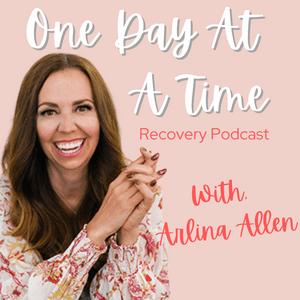
This podcast is about recovery from alcoholism, drug addiction, sobriety and the journey of recovery, community and healing. The stories are inspiring, funny and touching. They will provide hope and help others to feel like they are not alone. Today is the day to start living the life of your dreams and be who you were meant to be! For more resources, visit odaatchat.com or visit us on Facebook, search ODAAT Chat Podcast
Podcast websiteListen to The One Day At A Time Recovery Podcast, Coffee Break Spanish and many other podcasts from around the world with the radio.net app
Get the free radio.net app
- Stations and podcasts to bookmark
- Stream via Wi-Fi or Bluetooth
- Supports Carplay & Android Auto
- Many other app features
Get the free radio.net app
- Stations and podcasts to bookmark
- Stream via Wi-Fi or Bluetooth
- Supports Carplay & Android Auto
- Many other app features

The One Day At A Time Recovery Podcast
Scan code,
download the app,
start listening.
download the app,
start listening.
The One Day At A Time Recovery Podcast: Podcasts in Family
 Ireland