
Listen to this podcast in the app for free: Download for free in the App Store
radio.net
Sleep timer
Save favourites
200 episodes
Critique Feels Like Rejection To The Fearful Avoidant (FA Podcast Series)
23/10/2026 | 21 mins.Why does critique from your wife feel like rejection, even when she is simply asking you to change something?
For a fearful avoidant husband, a small complaint can trigger a much bigger emotional reaction. Your wife says she needs more help, wants you to listen, or feels hurt by something you said. Instead of hearing feedback about your behavior, you hear, "I'm a bad husband. I'm not good enough. She's losing respect for me."
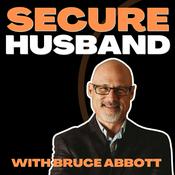
In this episode of The Secure Husband Podcast, Bruce Abbott explains why fearful avoidant attachment can make criticism feel like a threat to your marriage and your self-worth.
When criticism triggers old attachment wounds, you may become defensive, overexplain, argue about details, or bring up your wife's past mistakes. What started as a simple complaint becomes another painful fight.
But becoming secure does not mean accepting every criticism your wife gives you.
There is a difference between constructive criticism, unfair criticism, and personal attacks.
Healthy feedback focuses on behavior. Your wife may have a valid concern about how you communicate, follow through, or respond during conflict. Learning to listen without immediately defending yourself can build emotional safety and trust.
Unfair criticism requires a different response. You can acknowledge your wife's frustration without accepting statements that attack your character or worth. You can also set firm boundaries against insults, humiliation, and disrespect.
This episode explains how to recognize the difference, manage your emotional reactions, and respond with confidence instead of shame or anger.
You'll learn a simple three-step approach: pause before reacting, look for the truth in the feedback, and decide what belongs to you.
If the criticism is fair, take responsibility. If it is partly true, own your part. If it becomes disrespectful, calmly set a boundary.
Someone can be disappointed in you and still love you. You can make a mistake without becoming a failure.
Becoming a secure husband means learning to hear criticism without falling apart, accept responsibility without abandoning yourself, and reject unfair treatment without attacking back.
TAKE THE NEXT STEP
📚 FREE & LOW-COST SELF-GUIDED COURSES
https://securehusband.com/resources
🤝 LEARN ABOUT BRUCE ABBOTT & ONE-ON-ONE COACHING
https://securehusband.com
📞 SCHEDULE A FREE 30-MINUTE CONSULTATION
https://securehusband.com
Just a conversation about what's happening in your marriage and how coaching might work for you. No sales pitch. No pressure. Just seeing if it's a good fit and how I can help.
#FearfulAvoidant #AnxiousAttachment #AttachmentStyles #MarriageAdvice #RelationshipAdvice
#deadbedroom #sexlessmarriage
All content is for informational purposes only and does not provide medical or psychological diagnosis or treatment. Always consult your physician before starting any treatment or therapy. This includes all content on this site, email, blogs, podcasts, social media, and events. Nothing shared constitutes medical or legal advice. Use of this information is at your own risk.The Dismissive Avoidant and The Fearful Avoidant Cycle (FA Podcast Series)
18/10/2026 | 51 mins.Why does a fearful avoidant husband keep chasing connection while his dismissive avoidant wife keeps pulling away? And why can two people who love each other end up feeling so alone in their marriage?
In this episode of The Secure Husband Podcast, Bruce Abbott explains the fearful avoidant and dismissive avoidant relationship cycle and why it can lead to resentment, emotional distance, and a sexless marriage.
Early in the relationship, the fearful avoidant husband may be drawn to his wife's calm, independent nature. She may be attracted to his emotional depth, affection, and desire for connection.
But as marriage brings more expectations, those same qualities can become sources of conflict.
He wants closeness to feel safe. She wants space to feel safe.
When she withdraws, he pursues. When he pursues, she feels pressured and pulls away further. He becomes more anxious, critical, or angry. She becomes more defensive and distant.
Over time, this cycle can damage emotional intimacy, sexual desire, trust, and communication.
The husband may start keeping score, bringing up past hurts, and demanding answers. The wife may avoid difficult conversations or return to normal without resolving the problem. Both partners build resentment.
Eventually, the fearful avoidant husband may stop chasing altogether. He becomes distant, stops initiating affection or sex, and begins questioning the marriage. Sometimes his wife finally moves closer, but he struggles to trust her efforts after years of disappointment.
So how do you break the fearful avoidant and dismissive avoidant cycle?
Becoming secure starts with learning to regulate your emotions, question your assumptions, communicate your needs without criticism, and respect your wife's need for space without accepting endless avoidance.
You also need healthy boundaries around affection, sexual intimacy, emotional connection, and conflict resolution.
The goal is not to make your wife change. It is to stop feeding the unhealthy cycle and see whether both of you are willing to build a healthier marriage.
You cannot control your wife's attachment style. But you can change your part of the relationship.
TAKE THE NEXT STEP
📚 FREE & LOW-COST SELF-GUIDED COURSES
https://securehusband.com/resources
🤝 LEARN ABOUT BRUCE ABBOTT & ONE-ON-ONE COACHING
https://securehusband.com
📞 SCHEDULE A FREE 30-MINUTE CONSULTATION
https://securehusband.com
Just a conversation about what's happening in your marriage and how coaching might work for you. No sales pitch, no pressure, just seeing if it's a good fit and how I can help.
#FearfulAvoidant #DismissiveAvoidant #AttachmentStyles #AnxiousAttachment #MarriageAdvice
#deadbedroom #sexlessmarriage
All content is for informational purposes only and does not provide medical or psychological diagnosis or treatment. Always consult your physician before starting any treatment or therapy. This includes all content on this site, email, blogs, podcasts, social media, and events. Nothing shared constitutes medical or legal advice. Use of this information is at your own risk.How Did You Become Fearful Avoidant? (FA Podcast Series)
14/10/2026 | 26 mins.How does a man develop fearful avoidant attachment, and why do childhood experiences affect his marriage decades later?
In this episode of The Secure Husband Podcast, Bruce Abbott explains how childhood attachment wounds can shape the way a husband handles love, rejection, conflict, and emotional intimacy.
Fearful avoidant attachment often develops when a child experiences love and connection mixed with fear, rejection, emotional distance, or unpredictable responses from caregivers.
As an adult, that same man may desperately want affection and closeness with his wife while also fearing the pain that comes with being vulnerable.
He may chase connection, overexplain, become angry, or shut down when he feels rejected. These reactions can be especially strong when he is married to a dismissive avoidant wife who pulls away during conflict or struggles with emotional intimacy.
This episode explores childhood emotional wounds, anxious attachment, fearful avoidant behavior, the fight-or-flight response, people pleasing, emotional shutdown, and the fearful avoidant–dismissive avoidant marriage.
You will also learn why fearful avoidant husbands may feel drawn to dismissive avoidant women. The same differences that create strong attraction early in a relationship can later create painful patterns of chasing, withdrawal, and resentment.
Understanding your childhood is not about blaming your parents or excusing your behavior.
It is about recognizing what you learned to do to feel safe and understanding why those old habits still show up in your marriage.
You did not choose the childhood experiences that shaped you. But you can choose how you respond today.
Becoming secure means learning to recognize your triggers, calm your nervous system, communicate clearly, and stop letting old fears control your marriage.
TAKE THE NEXT STEP
📚 FREE & LOW-COST SELF-GUIDED COURSES
https://securehusband.com/resources
🤝 LEARN ABOUT BRUCE ABBOTT & ONE-ON-ONE COACHING
https://securehusband.com
📞 SCHEDULE A FREE 30-MINUTE CONSULTATION
https://securehusband.com
Just a conversation about what is happening in your marriage and how coaching might work for you. No sales pitch. No pressure. Just seeing if it is a good fit and how I can help.
#FearfulAvoidant #AttachmentStyles #ChildhoodTrauma #DismissiveAvoidant #AnxiousAttachment
#deadbedroom
#sexlessmarriage
All content is for informational purposes only and does not provide medical or psychological diagnosis or treatment. Always consult your physician before starting any treatment or therapy. This includes all content on this site, email, blogs, podcasts, social media, and events. Nothing shared constitutes medical or legal advice. Use of this information is at your own risk.The Fearful Avoidant Husband's Three Options (FA Podcast Series)
08/10/2026 | 29 mins.The fearful avoidant husband can feel trapped between two powerful thoughts: “I want to save my marriage” and “I cannot live like this forever.”
In this episode of The Secure Husband Podcast, Bruce Abbott explains three broad options when you feel stuck in an unhappy marriage.
Option one: Stay where you are. You can accept the marriage as it is. You may stop asking for affection, sex, emotional connection, or better communication. The marriage stays together, but you may slowly make yourself smaller to keep the peace.
Option two: Leave. Divorce is a real adult choice. That does not mean threatening divorce during an argument or using it to scare your wife into changing. It means recognizing that you are not trapped and that you have choices.
Option three: Work on becoming secure.
This third option is where the real work begins. You stop asking, “How do I get my wife to change?” and start asking, “What do I actually need in a healthy marriage?”
Becoming secure does not mean learning to live without affection, sex, connection, or emotional intimacy. It means learning to communicate your needs without attacking, begging, manipulating, or abandoning yourself.
You learn to regulate before you communicate. You identify what matters. You set healthy boundaries. Then you give your spouse the freedom to respond.
Your marriage may improve as you change your side of the relationship. You may also become more secure and discover that your spouse cannot or will not build the type of marriage you need.
Either way, you gain something important: clarity.
The goal is not to control your wife or win the marriage. The goal is to become secure enough to love another person without disappearing from your own life.
TAKE THE NEXT STEP
📚 FREE & LOW-COST SELF-GUIDED COURSES
https://securehusband.com/resources
🤝 LEARN ABOUT BRUCE ABBOTT & ONE-ON-ONE COACHING
https://securehusband.com
📞 SCHEDULE A FREE 30-MINUTE CONSULTATION
https://securehusband.com
Just a conversation about what is happening in your marriage and how coaching might work for you. No sales pitch. No pressure. Just seeing if it is a good fit and how I can help.
#FearfulAvoidant #AnxiousAttachment #DismissiveAvoidant #MarriageAdvice #AttachmentStyles
#deadbedroom
#sexlessmarriage
All content is for informational purposes only and does not provide medical or psychological diagnosis or treatment. Always consult your physician before starting any treatment or therapy. This includes all content on this site, email, blogs, podcasts, social media, and events. Nothing shared constitutes medical or legal advice. Use of this information is at your own risk.The Fearful Avoidant Husband (FA Podcast Series)
04/10/2026 | 32 mins.About 90% of the men I work with are fearful avoidant. What does that mean?
In this first episode of The Fearful Avoidant Husband Podcast Series, Bruce Abbott looks at why some husbands can appear highly anxious when they are married to a dismissive avoidant wife.
You want affection, sex, emotional connection, and reassurance. Your wife pulls away, so you pursue. You explain more, initiate more, analyze the relationship, and keep trying to close the distance.
That looks like anxious attachment.
But what happens after years of rejection and disappointment?
You may suddenly shut down. You stop initiating. You become cold. You think about divorce. You tell yourself you do not need her anymore. Then your wife moves toward you and another part of you thinks, “Too late. I don't trust it anymore.”
That movement between wanting connection and protecting yourself from connection can be an important sign of fearful avoidant attachment.
This episode explores the fearful avoidant husband, anxious attachment, dismissive avoidant relationships, hypervigilance, resentment, scorekeeping, protest behavior, emotional shutdown, sexual rejection, and the push-pull relationship cycle.
You will also learn why wanting intimacy does not always mean that you trust intimacy. A fearful avoidant husband may desperately want to feel close to his wife while also protecting himself from the vulnerability that real closeness requires.
The goal is not to use an attachment style as an excuse or another label.
The goal is to start noticing your own movement.
When your wife pulls away, do you chase?
When you feel rejected, do you eventually shut down?
When you get angry, do you start building a case using years of old evidence?
When you withdraw, are you protecting yourself, or are you hoping she finally notices and comes after you?
Understanding the pattern is the beginning. Becoming secure means learning what to do differently when your nervous system tells you that you are about to get hurt.
This series will explore the fearful avoidant husband and dismissive avoidant wife, childhood attachment wounds, resentment, protest behavior, mind reading, emotional shutdown, sex and intimacy, boundaries, and the path toward secure attachment.
TAKE THE NEXT STEP
📚 FREE & LOW-COST SELF-GUIDED COURSES
https://securehusband.com/resources
🤝 LEARN ABOUT BRUCE ABBOTT & ONE-ON-ONE COACHING
https://securehusband.com
📞 SCHEDULE A FREE 30-MINUTE CONSULTATION
https://securehusband.com
Just a conversation about what is happening in your marriage and how coaching might work for you. No sales pitch. No pressure. Just seeing if it is a good fit and how I can help.
#FearfulAvoidant #AnxiousAttachment #DismissiveAvoidant #AttachmentStyles #MarriageAdvice
#deadbedroom
#sexlessmarriage
All content is for informational purposes only and does not provide medical or psychological diagnosis or treatment. Always consult your physician before starting any treatment or therapy. This includes all content on this site, email, blogs, podcasts, social media, and events. Nothing shared constitutes medical or legal advice. Use of this information is at your own risk.
More Education podcasts








Trending Education podcasts



















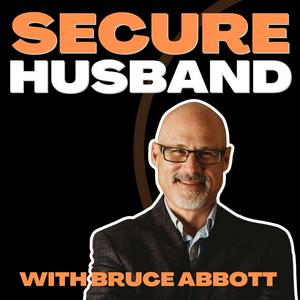
About The Secure Husband
A Secure Husband no longer seeks validation from his wife; he stands strong in self-worth, meets his own emotional needs, and leads with confidence and clarity. I’ve been where you are, and I’m here to help you break free from old patterns, reclaim your strength, and transform your marriage from the inside out.
Podcast websiteListen to The Secure Husband, Pre-Hospital Care Podcast and many other podcasts from around the world with the radio.net app
Get the free radio.net app
- Stations and podcasts to bookmark
- Stream via Wi-Fi or Bluetooth
- Supports Carplay & Android Auto
- Many other app features
Get the free radio.net app
- Stations and podcasts to bookmark
- Stream via Wi-Fi or Bluetooth
- Supports Carplay & Android Auto
- Many other app features

The Secure Husband
Scan code,
download the app,
start listening.
download the app,
start listening.
 Ireland
