
Listen to this podcast in the app for free: Download for free in the App Store
radio.net
Sleep timer
Save favourites
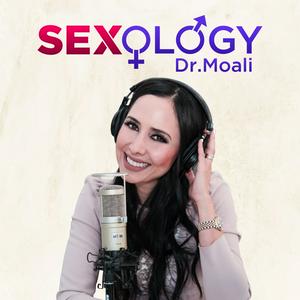
Sexology
Dr. Nazanin Moali, Ph.D, Psychology of Sex | Couple Therapy | Sex Education
Latest episode
517 episodes

Can Sex Feel Like Psychedelics? Altered States During Sex
20/10/2026 | 32 mins.Can sex create an altered state of consciousness without psychedelic substances? For some people, deeply present sexual experiences can involve changes in time perception, heightened sensory awareness, a softened sense of self, emotional release, and an intense feeling of connection.
In Episode 513 of the Sexology Podcast, Dr. Nazanin Moali speaks with AASECT-certified sex therapist and psychedelic therapist Dori Lewis about why sex can sometimes feel psychedelic and how mindfulness, ritual, safety, and intentional touch may deepen pleasure and intimacy.
This conversation is not about having sex while using psychedelic substances. Instead, Dori explores how sexual experiences themselves can produce shifts in awareness that may feel expansive, transcendent, or transformative.
Dori and Dr. Moali discuss why performance-focused sex can prevent people from accessing these deeper experiences. When your attention is focused on whether you are attractive enough, aroused enough, or performing correctly, it becomes harder to notice subtle sensations and remain connected to your body.
You will also learn how slowing down, creating intentional rituals, practicing nonsexual touch, and communicating boundaries can support a greater sense of safety and connection. Dori explains why consent, nervous system regulation, and emotional trust are essential when exploring intense or vulnerable experiences.
IN THIS EPISODE, YOU WILL LEARN:
• What an altered state of consciousness during sex can feel like
• Why some sexual experiences may feel psychedelic
• How mindfulness can deepen sexual pleasure
• Why sensory awareness matters during intimacy
• How performance pressure disconnects you from your body
• How to create rituals for sexual connection
• Why safety, boundaries, and consent support surrender
• How parenthood can affect nervous system regulation and intimacy
• How to communicate your needs and receive pleasure
• How somatic practices may support embodied awareness
• Why trauma-informed care matters during intense experiences
• How nonsexual touch can help partners reconnect
• How sex and psychedelic experiences may overlap and differ
COMMON QUESTIONS ANSWERED:
CAN SEX CREATE AN ALTERED STATE OF CONSCIOUSNESS?
Some people experience changes in their perception of time, sensory intensity, self-awareness, emotional openness, or connection during sex. These experiences can feel different from ordinary waking awareness, although they are not necessarily identical to substance-induced psychedelic states.
WHY CAN SEX SOMETIMES FEEL PSYCHEDELIC?
Intense sensory focus, emotional vulnerability, rhythmic movement, changes in breathing, pleasure, and a temporary reduction in self-monitoring may contribute to experiences that feel expansive or transcendent.
DO YOU NEED PSYCHEDELIC SUBSTANCES TO HAVE THIS EXPERIENCE?
No. This episode explores altered states that may occur through sexual connection, mindfulness, ritual, sensory awareness, and intentional touch without using psychedelic substances.
HOW CAN MINDFULNESS DEEPEN SEXUAL EXPERIENCES?
Mindfulness can help you notice physical sensations, emotions, boundaries, and shifts in arousal without immediately judging them. This may reduce performance pressure and make it easier to remain present.
ABOUT DORI LEWIS
Dori Lewis, MA, MEd, LPC-S, is the co-founder of Elemental Psychedelics and owner of Reflective Healing, a psychotherapy practice in Fort Collins, Colorado. She is a licensed professional counselor, psychedelic therapist, and AASECT-certified sex therapist.
Dori has spent more than a decade working in transpersonal and depth-oriented approaches and has supported hundreds of ketamine and psilocybin therapy sessions. She also trains psychedelic practitioners and works at the intersection of sexuality, embodiment, and altered consciousness.
LEARN MORE ABOUT DORI LEWIS:
https://www.reflectivehealing.com/
DOWNLOAD THE FREE STRESS REDUCTION KIT:
https://nazanin-moali.mykajabi.com/opt-in
Advertising Inquiries: https://redcircle.com/brands
Privacy & Opt-Out: https://redcircle.com/privacyCan’t Orgasm? How to Get Out of Your Head During Sex
12/10/2026 | 33 mins.Why can’t you orgasm, even when you know what feels good? Pressure, anxiety, shame, distraction, and the feeling that you must reach orgasm can make it harder to stay present and experience pleasure.
In Episode 512 of the Sexology Podcast, Dr. Nazanin Moali speaks with consulting hypnotist and somatic coach Melinda Love about difficulty reaching orgasm, getting out of your head during sex, and developing a more connected relationship with your body and pleasure.
Melinda explains why wanting an orgasm too badly can turn sex into a performance. When your attention shifts toward monitoring your progress, worrying about your partner, or wondering whether you are taking too long, it becomes difficult to remain connected to arousal and pleasurable sensations.
You will learn why orgasm is not simply an automatic physical response, how sexual shame and negative beliefs can interfere with pleasure, and why removing orgasm as the sole goal of sex may actually make orgasm more accessible. Melinda also discusses self-exploration, clitoral stimulation, responsive desire, nervous system safety, breathwork, and embodied practices that can help you become more present during sex.
IN THIS EPISODE, YOU WILL LEARN:
• Why you may have difficulty reaching orgasm
• What an orgasm can feel like in the body
• Why trying too hard to orgasm can make it more difficult
• How performance anxiety interferes with sexual pleasure
• How to get out of your head during sex
• Why self-exploration is important for discovering what feels good
• How sexual arousal and orgasmic skills can develop over time
• How shame and negative sexual beliefs affect pleasure
• How partners can unintentionally create orgasm pressure
• Why clitoral stimulation is important for many women
• How responsive desire affects arousal
• How breathwork and body awareness can support sexual presence
• How to reduce distraction during sex
• Why pleasure does not have to end with orgasm
COMMON QUESTIONS ANSWERED:
Why can’t I orgasm even when sex feels good?
Pleasure and orgasm are related, but they are not identical. You can enjoy sexual stimulation while anxiety, distraction, pressure, shame, medication effects, relationship dynamics, or difficulty staying present interfere with orgasm.
Can trying too hard to orgasm prevent it?
Yes, orgasm pressure can shift your attention away from pleasurable sensations and toward self-monitoring. Instead of experiencing the moment, you may begin evaluating whether you are aroused enough, taking too long, or disappointing your partner.
How can I get out of my head during sex?
Slowing down, noticing physical sensations, communicating what feels good, reducing goal-focused pressure, and practicing self-exploration may help you feel more present and connected to your body.
ABOUT MELINDA LOVE
Melinda Love is a consulting hypnotist, somatic coach, and host of the Embodied Magic podcast. Her work helps women reconnect with their bodies, desires, and capacity for pleasure through hypnosis, nervous system regulation, breathwork, and embodied practices.
Drawing from extensive training in somatic coaching, sexuality, breathwork, and body-based healing, Melinda specializes in helping women move out of self-monitoring and into embodied pleasure. Her work focuses on orgasmic surrender, sexual self-trust, and freedom from shame.
LEARN MORE ABOUT MELINDA LOVE:
http://www.melindalovecoach.com/podcast
DOWNLOAD THE FREE PLEASURE MENU:
https://sexologypodcast.com/subscribe/
Advertising Inquiries: https://redcircle.com/brands
Privacy & Opt-Out: https://redcircle.com/privacyHow to Turn Her On Without Pressuring Her for Sex
06/10/2026 | 44 mins.How do you turn your wife on without making sex feel pressured? In long-term relationships, desire often grows through anticipation, playful flirting, emotional connection, and affection that does not automatically become a request for sex.
In this episode, Dr. Nazanin Moali is joined by Marni Kinrys, founder of The Wing Girl Method, to discuss how flirting and slow seduction can help couples rebuild attraction and escape the roommate dynamic.
Marni explains why moving too quickly into overtly sexual behavior can have the opposite effect, especially when stress, responsibilities, and emotional disconnection make it difficult to transition into a sexual mindset. She shares ways to build desire throughout the day, help your partner feel seen, listen without immediately trying to fix things, and bring playfulness back into your relationship.
In this episode, you’ll learn:
• How to turn your wife on without creating sexual pressure
• Why flirting matters in long-term relationships
• How to build desire and anticipation throughout the day
• Why affection can feel transactional when it always leads to sex
• What slow seduction looks like in everyday life
• How listening without fixing can strengthen connection
• Why feeling seen can support emotional and sexual intimacy
• How couples fall into the roommate dynamic
• How pursuer-withdrawer patterns affect desire
• Ways to bring curiosity and playfulness back to sex
Free Pleasure Menu: https://sexologypodcast.com/subscribe/
About Marni Kinrys:
Marni Kinrys is the founder of The Wing Girl Method, host of the Turn Her On podcast, and creator of the F-Formula. She is a dating and relationship coach who has spent more than a decade helping men improve their confidence, communication, flirting, and relationships.
Her online content has generated more than 150 million YouTube views, and her channel, Marni Your Personal Wing Girl, has more than 1.3 million subscribers.
Get Marni’s Flirting Cheat Sheet:
https://winggirlmethod.com/flirtcs
About Dr. Nazanin Moali:
Dr. Nazanin Moali is a licensed psychologist, AASECT-certified sex therapist, and host of the Sexology Podcast. She provides sex and relationship therapy in Hermosa Beach, the South Bay of Los Angeles, and online throughout California.
Work with Dr. Moali:
https://oasis2care.clientsecure.me/request/service
Advertising Inquiries: https://redcircle.com/brands
Privacy & Opt-Out: https://redcircle.com/privacyCan’t Orgasm With a Partner? One Woman’s Breakthrough at 49
29/09/2026 | 26 mins.Why can someone orgasm alone but not with a partner? In this episode, Anna Cordin shares her personal experience of faking orgasms for 30 years—and what changed when she experienced her first partnered orgasm at age 49.
Anna joins Dr. Nazanin Moali to discuss the pressure to perform during sex, difficulty staying present, and the importance of trust, emotional connection, and feeling safe enough to communicate honestly about pleasure. She explains how her relationship with her husband helped her let go of control, honor her authentic preferences, and stop pretending.
In this episode, you’ll learn:
• Why someone may be able to orgasm alone but not with a partner
• How sexual performance pressure can interfere with pleasure
• Why people fake orgasms in long-term relationships
• How trust and emotional connection can affect sexual presence
• What helped Anna experience partnered orgasm at 49
• How honest communication can strengthen sexual intimacy
• Why recognizing your authentic preferences matters
• How couples can begin rebuilding connection
About Anna Cordin:
Anna Cordin is a professional ballroom and Latin dance instructor and performer. Born into a family of musicians in Siberia, Russia, she developed an early passion for music, movement, and dance. After moving to the United States, she became a professional instructor with Fred Astaire Dance Studios and coached students who earned first-place finishes at prestigious competitions. In this episode, Anna shares her personal sexual story openly in the hope that other women will feel less alone.
About Dr. Nazanin Moali:
Dr. Nazanin Moali is a licensed psychologist, AASECT-certified sex therapist, and host of the Sexology Podcast. She provides sex and relationship therapy in Hermosa Beach, the South Bay of Los Angeles, and online throughout California.
Work with Dr. Moali:
https://oasis2care.clientsecure.me/request/service
Follow the Sexology Podcast on Instagram:
https://www.instagram.com/sexologypodcast
Learn more about Anna Cordin:
https://galaballroom.com/
Advertising Inquiries: https://redcircle.com/brands
Privacy & Opt-Out: https://redcircle.com/privacyWhat Your Erections Reveal About Your Heart Health After 40
22/09/2026 | 29 mins.n Episode 509 of the Sexology Podcast, Dr. Nazanin Moali is joined by physician and longevity expert Dr. Jennifer Timmons to explain why erectile function can offer important clues about a man’s overall health.
Erections depend on healthy blood flow, nerve function, hormones, metabolism, sleep, and psychological well-being. When erectile function suddenly or persistently changes, it may be worth looking beyond age or performance anxiety. Dr. Timmons explains how cardiovascular disease, insulin resistance, weight, alcohol, stress, medications, and poor sleep can all affect erections and sexual desire.
We also examine why men may be too quick to blame low testosterone when their libido or sexual performance changes. Dr. Timmons explains what testosterone therapy may address, what it cannot fix, and why treating a laboratory number without understanding the larger health picture can be risky.
The conversation also explores erectile dysfunction treatments, sexual enhancement supplements, GLP-1 medications, and popular approaches to men’s sexual optimization. You will learn what is supported by evidence, what appears promising, and what may be overhyped or potentially unsafe.
In this episode, you will learn:
• What erection changes can reveal about cardiovascular health
• When erectile dysfunction may warrant a medical evaluation
• Why erection problems should not automatically be dismissed as aging
• How insulin resistance and metabolic health affect erections
• The connection between weight, blood flow, and sexual function
• How sleep, stress, alcohol, and medications affect sexual performance
• Whether low testosterone is always responsible for low libido
• What testosterone replacement therapy can and cannot address
• The potential risks of testosterone therapy
• How GLP-1 medications may influence libido and sexual health
• Which erectile dysfunction treatments have the strongest evidence
• The risks of unregulated sexual enhancement supplements
• What every man over 40 should monitor when his sexual function changes
• How sexual health can offer insight into healthspan and longevity
About Dr. Jennifer Timmons
Dr. Jennifer Timmons is a physician specializing in personalized wellness, disease prevention, and longevity medicine. She earned her medical degree from the University of Southern California and completed her Family Medicine residency training at the University of California, Los Angeles.
After more than a decade in primary care at UCLA Health in Manhattan Beach, Dr. Timmons founded Timmons Wellness to provide individualized, data-driven care. She also has advanced training in functional and integrative medicine, precision medicine, and longevity medicine.
Learn more about Dr. Jennifer Timmons:
https://timmonswellnessmd.com/
Work with Dr. Nazanin Moali:
https://oasis2care.clientsecure.me/request/service
Spice Up Your Social Media Feed and Your Sex Life:
Follow the Sexology Podcast on Instagram:
https://www.instagram.com/sexologypodcast
Advertising Inquiries: https://redcircle.com/brands
Privacy & Opt-Out: https://redcircle.com/privacy
More Education podcasts







Trending Education podcasts


























About Sexology
Each week, Dr. Nazanin Moali interviews experts, psychologists, mental health practitioners and researchers to explore the most intriguing findings in psychology of sex and intimacy. Sexology podcast will give you insight into all that you have ever wanted to know about sex but were afraid to ask. Join us in this weekly journey to examine sexuality and pleasure from a scientific perspective.
Podcast websiteListen to Sexology, Motivation Daily by Motiversity and many other podcasts from around the world with the radio.net app
Get the free radio.net app
- Stations and podcasts to bookmark
- Stream via Wi-Fi or Bluetooth
- Supports Carplay & Android Auto
- Many other app features
Get the free radio.net app
- Stations and podcasts to bookmark
- Stream via Wi-Fi or Bluetooth
- Supports Carplay & Android Auto
- Many other app features

Sexology
Scan code,
download the app,
start listening.
download the app,
start listening.
 Ireland
