
Listen to this podcast in the app for free: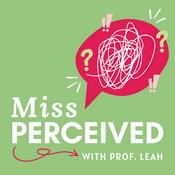 Download for free in the App Store
radio.net
Sleep timer
Save favourites
128 episodes
Boo Yourself. Why Halloween is So Exhausting for Moms
20/10/2026 | 16 mins.The costumes. The candy. The decorations. The group chats about who’s trick-or-treating with whom. Halloween is supposed to be fun—so why does making the magic feel like another full-time job?
In this episode of MissPerceived, Professor Leah Ruppanner unpacks the invisible work behind Halloween—and why so much of it falls to moms. From planning costumes and keeping children safe to navigating friendship drama and the rising expectations of “boo baskets,” Leah explores how one night of fun can become weeks of organizing, worrying, and doing more
She also discusses the extra planning involved when children have sensory sensitivities, are neurodivergent, or live with a disability—and the work parents do to make a holiday feel welcoming when it wasn’t designed with their child’s needs in mind
Plus, a story about a painstakingly handmade mermaid costume raises an important question: Are we creating the memories our children actually want—or exhausting ourselves trying to deliver the ones we think they need?
Whether you love Halloween or wish you could switch off the porch light and skip it, this episode offers permission to take shortcuts, share the work, and let go of the extras that don’t bring your family joy.
In this episode
The hidden work of making Halloween magical.
How social media and new traditions keep raising the bar.
The emotional work of friendships, inclusion, and being left out.
Safety concerns, sensory needs, and planning for different experiences.
How to decide what to keep, delegate, or drop this holiday season.
Follow Leah: @prof.leahruppanner
Hosted on Acast. See acast.com/privacy for more information.Who Really Has The Power in Your Relationship
13/10/2026 | 19 mins.You ask for help, but nothing happens. Eventually, you stop asking. Or you make a decision “for the family”—only to realize your needs are the ones that keep coming last.
In this episode of MissPerceived, Professor Leah Ruppanner unpacks three forms of power in relationships: the obvious power of saying no, the quieter power that stops you from asking, and the invisible power hidden inside decisions that seem fair. Drawing on sociological research and her own work on marital dynamics, Leah explores how everyday negotiations over housework, careers, and family responsibilities can leave one partner doing more while the other gets more say.
From the “nag paradox” to the thinking work behind supposedly shared decisions, this episode asks: Are you making choices for both of you—or consistently putting one person first? Leah also explores how partners trade support over time, when those trade-offs become unequal, and how to start making room for your own goals, rest, and ambitions.
In this episode
Why ignoring a request can be an exercise of power.
What happens when you stop asking because you already expect a no.
How “we decided” can hide one person doing all the planning.
Why decisions made “for us” don’t always benefit both partners.
Recognizing when to push back and ask for what you need.
#MissPerceived #Relationships #RelationshipDynamics #InvisibleLabor #ProfLeahRuppanner
Follow Leah: @prof.leahruppanner
Hosted on Acast. See acast.com/privacy for more information.The Research Behind Sexual Satisfaction in Relationships
06/10/2026 | 16 mins.Does it actually matter for your relationship if your partner carries more of the emotional load? In this episode of MissPerceived, Professor Leah Ruppanner breaks down a new study from the University of Southampton that goes beyond who does the dishes and digs into something more surprising: the link between emotional labor, relationship satisfaction, and sexual satisfaction.
Leah explains the key distinction this research reveals — men doing more housework and emotional/family-management tasks boosts women's overall relationship satisfaction, but it's specifically emotional labor toward the partner (knowing when you're upset, taking care of you when you're sick, understanding your emotional needs) that predicts sexual satisfaction. She also unpacks a fascinating gender split in the data: women report the most satisfaction when things are split equally, while men report the most satisfaction the more their partner takes on — a mismatch that can quietly fuel resentment and burnout in relationships.
Drawing on her book Drained, Leah connects this to a bigger pattern: men often see offloading domestic labor as an investment in the family's future, while women often feel guilty taking on less, because they've been taught that 100% of their energy should go to their families. If you want to understand why your relationship might be hitting friction points around who does what, this episode breaks down exactly what the research says — and what to actually talk about with your partner.
Chapters:
00:00 Introduction — recording from Australia and new research on relationships
02:26 What is the mental load? A quick refresher
04:39 How researchers measured emotional labor, relationship nurturing, family management
06:57 The key finding: emotional labor to the partner predicts sexual satisfaction
09:12 Why women want equality, but men want investment — a gendered mismatch
11:38 How this mismatch creates relationship conflict and resentment
13:00 What happened during COVID when men carried more of the load
14:03 What to actually do: get strategic, not just "do more"
Resources Mentioned:
📄 Research: Verena Klein, Rotem Kalisher, Esra Ascigil, and Tanja Oschatz (University of Southampton)
📄 Related research: Sabino Kornrich on housework division and sexual frequency
📘 Drained: Reduce Your Mental Load to Do Less and Be More by Professor Leah Ruppanner
🧠 Free Mental Load Assessment — Lighten Lab (lightenlab.com)
Follow Leah: @prof.leahruppanner
Hosted on Acast. See acast.com/privacy for more information.Why Siblings Stop Talking: The Real Reasons Behind Family Estrangement
29/09/2026 | 24 mins.Nearly 1 in 4 adults have experienced a period of estrangement from a sibling — and it's more common (and more complicated) than most of us realize. In this episode of MissPerceived, Professor Leah Ruppanner unpacks a new study out of Ohio State University that dug into 39 in-depth interviews to understand why adult siblings go no contact.
Leah breaks down the two major forces driving estrangement: parental behavior (favoritism, manipulation, and forcing siblings to "pick sides" after a parent-child conflict) and the sibling relationship itself (destabilizing conduct, safety threats, and childhood bonds that were never really built). She shares personal stories from friends navigating estrangement, explains the concept of family systems and triangulation, and connects all of it back to the mental load — the emotional scanning, relationship repair work, and guilt that estranged (or nearly estranged) families create.
If you've ever felt like your family "doesn't understand your world," or you're carrying guilt about a sibling relationship that isn't what it's supposed to be, this episode offers real permission to step back, set boundaries, and stop measuring your worth by an outdated obligation to stay close no matter what.
Chapters:
00:00 Introduction — sibling estrangement is more common than you think
02:54 The data: nearly 1 in 4 adults have been estranged from a sibling
05:18 Family systems theory and triangulation
07:36 Parental partisanship: favoritism and the "scapegoat" child
09:59 When sibling relationships become collateral damage in parent conflict
12:21 Why some generations never learned to resolve conflict
14:38 Destabilizing conduct, risk containment, and sibling violence
18:15 Absent foundations: when childhood bonds were never built
20:39 How family estrangement fuels your mental load
21:30 Permission to put people on the "periphery" without guilt
23:01 Setting boundaries doesn't make you a bad person
Resources Mentioned:
📄 Research: Rin Resnick, Kane Taurus Beltran, and Candace Cretchfield (Ohio State University) on adult sibling estrangement
📘 Drained: Reduce Your Mental Load to Do Less and Be More by Professor Leah Ruppanner
🧠 Free Mental Load Assessment — Lighten Lab (lightenlab.com)
Stay Connected with Leah:
Instagram: @prof.leahruppanner
Instagram: @lightenlab
TikTok: @prof.leahruppanner
Website: https://www.leahruppanner.com
Don't miss an episode! Subscribe now: /@missperceivedpodcast
About MissPerceived:
MissPerceived is a weekly podcast hosted by Professor Leah Ruppanner, sociologist and author of Drained. Each week, Leah breaks down the gender myths and social systems shaping our lives — from mental load and caregiving to work, relationships, and identity. No PhD required. Just come hang out.
#MissPerceived #FamilyEstrangement #SiblingRelationships #MentalLoad #Drained #ProfLeahRuppanner
Follow Leah: @prof.leahruppanner
Hosted on Acast. See acast.com/privacy for more information.Optimization Is Ruining Your Life (And It's Not Even Efficient)
22/09/2026 | 16 mins.Is optimizing every minute of your day actually making your life better — or just burning you out faster? In this episode of MissPerceived, Professor Leah Ruppanner makes the case that optimization culture, especially prevalent in the US, is quietly destroying our ability to rest, create, and simply live.
Leah traces how we came to treat time itself as a resource to be maximized — a relatively recent social conditioning that emerged with industrialization — and explains why getting time back (from grocery delivery, AI, or any efficiency hack) rarely translates into rest. Instead, we immediately reinvest that saved time into more productivity, repeating a pattern seen since the first industrial revolution: every gain in efficiency just raises the bar for what "enough" looks like.
She connects this to her research on the mental load, sharing a striking story about a woman who drops the activities that bring her joy in order to make more room for stressful, "productive" problem-solving — and asks why we've been trained to treat rest as wasteful. Leah also explores what Gen Z's resistance to hustle culture might mean for the future of work, and why AI and automation may only intensify the pressure to optimize rather than relieve it.
Chapters:
00:00 Introduction — is optimization good?
01:00 Why optimization pressure feels different in the US vs. Australia
02:20 How eroded social safety nets fuel the need to "game the system"
04:41 Getting time back doesn't mean getting rest back
06:00 A brief history: how time became a resource to optimize
07:00 The fourth industrial revolution: AI, automation, and rising standards
09:23 A woman's insight: dropping joy to make room for "productive" stress
11:48 Why younger generations are rejecting hustle culture
13:00 What happens when optimization stops being efficient at all
14:14 How to reclaim mental space instead of constantly optimizing
Resources Mentioned:
📘 Drained: Reduce Your Mental Load to Do Less and Be More by Professor Leah Ruppanner
🧠 Free Mental Load Assessment — Lighten Lab (lightenlab.com)
📄 Bill Gates' annual letter on AI and the future of work
Stay Connected with Leah:
Instagram: @prof.leahruppanner
Instagram: @lightenlab
TikTok: @prof.leahruppanner
Website: https://www.leahruppanner.com
Don't miss an episode! Subscribe now: /@missperceivedpodcast
About MissPerceived:
MissPerceived is a weekly podcast hosted by Professor Leah Ruppanner, sociologist and author of Drained. Each week, Leah breaks down the gender myths and social systems shaping our lives — from mental load and caregiving to work, relationships, and identity. No PhD required. Just come hang out.
#MissPerceived #Optimization #MentalLoad #Drained #ProfLeahRuppanner #Burnout #FutureOfWork
Follow Leah: @prof.leahruppanner
Hosted on Acast. See acast.com/privacy for more information.
More Education podcasts







Trending Education podcasts




















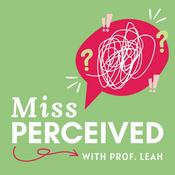
About MissPerceived
Leah Ruppanner is a no-nonsense Sociologist from the University of Melbourne on a mission to dispel society’s biggest and most divisive gender myths. In MissPerceived, Leah will tackle pervasive questions and draw upon decades of academic research and evidence to debunk the gender myths that benefit no one - showing that women aren’t better than men at seeing mess or multitasking, and that men aren’t bumbling caregivers who can’t change a diaper or find the keys. MissPerceived will show how as a society we use these myths to explain gender inequality and maintain the status quo. Leah doesn’t shy away from tough topics and touches on all those messy conversations about life including sex, relationships, work, parenting, and self-help. MissPerceived showcases how we got here, where we need to go next, and how to get there. Hosted on Acast. See acast.com/privacy for more information.
Podcast websiteListen to MissPerceived, All Ears English Podcast and many other podcasts from around the world with the radio.net app

Get the free radio.net app
- Stations and podcasts to bookmark
- Stream via Wi-Fi or Bluetooth
- Supports Carplay & Android Auto
- Many other app features
Get the free radio.net app
- Stations and podcasts to bookmark
- Stream via Wi-Fi or Bluetooth
- Supports Carplay & Android Auto
- Many other app features

MissPerceived
Scan code,
download the app,
start listening.
download the app,
start listening.
MissPerceived: Podcasts in Family
 Ireland