
Listen to this podcast in the app for free: Download for free in the App Store
radio.net
Sleep timer
Save favourites
24 episodes
Why Narcissists NEED to Believe YOU Abused Them
04/11/2026 | 27 mins.Send us Fan Mail
How does someone who has spent years emotionally abusing, manipulating, and mistreating another person somehow convince themselves that THEY are the victim, and the person they've been hurting is actually the abuser?
It's one of the most disturbing contradictions in pathological narcissism, and one of the most psychologically devastating experiences for survivors.
In this episode of Surviving Narcissistic Abuse with Jill Wise, we're exploring the psychology behind why some narcissistic individuals become so invested in portraying themselves as the innocent party, even when their own behavior has caused tremendous harm.
We'll take a fascinating look at the psychological mechanisms behind this distortion, including projection, motivated reasoning, moral disengagement, alloplastic defenses, and DARVO (Deny, Attack, and Reverse Victim and Offender).
We'll also discuss confabulation, how it differs from deliberate deception and self-serving memory distortion, and why someone can appear completely convinced of a version of events that doesn't reflect what actually happened.
But this episode goes much deeper than simply explaining why narcissists blame other people.
We'll explore how some narcissistic individuals begin justifying their own abusive behavior as self-defense, why they may interpret your boundaries as cruelty, how flying monkeys and smear campaigns reinforce distorted narratives, and why the person who caused the injury can eventually become the person holding the grudge.
And perhaps most importantly, we'll discuss how these dynamics can leave survivors spending years defending themselves against accusations that are almost the exact opposite of what they actually experienced.
Understanding the psychology behind abusive behavior does not excuse the abuse.
Whether someone is deliberately lying, distorting their memories, or genuinely believing their own version of events, none of those possibilities removes their responsibility for the harm they've caused.
And you do not need the person who hurt you to acknowledge your experience before you're allowed to trust yourself, establish boundaries, and begin healing.
NEED SUPPORT RECOVERING FROM NARCISSISTIC ABUSE?
I'm Jill Wise, a lifelong survivor of narcissistic abuse and a trauma-informed narcissistic abuse recovery coach.
I offer private one-on-one recovery coaching, a comprehensive online course on narcissistic abuse and recovery, and The Recovery Circle, my private community for survivors seeking understanding, connection, and support.
Learn more about my coaching, course, and private community at:
https://www.jillwise.com
If this episode resonates with you, please consider sharing it with someone who may be struggling to understand why the person who harmed them insists that they were the victim.
Jill Wise is a narcissistic abuse recovery coach helping survivors from all over the world break trauma bonds, heal from Complex PTSD, and rebuild their lives.Why Narcissists Would Rather DESTROY a Relationship Than Admit They Were Wrong
29/10/2026 | 19 mins.Send us Fan Mail
Why would a narcissist rather destroy a marriage, lose their family, or walk away from someone who genuinely loves them than simply admit they were wrong?
For most of us, the solution seems so obvious. Acknowledge what happened, apologize, take responsibility, and repair the damage. But for someone with severe pathological narcissism, admitting wrongdoing can feel like a threat to their entire identity.
In this episode of Surviving Narcissistic Abuse with Jill Wise, we explore 10 fascinating psychological reasons narcissists may refuse to apologize or accept accountability, even when their refusal costs them everything.
We'll examine why some narcissistic individuals would rather replace a relationship than repair it, why every additional lie makes telling the truth more difficult, and how someone can lose their marriage, family, and relationships while somehow convincing themselves they've won.
We'll also explore the psychology of narcissistic shame, the need to view relationships as competitions with winners and losers, and alloplastic defenses, a psychological concept that helps explain why some narcissistic individuals consistently blame others rather than examine their own behavior.
And perhaps most disturbing of all, we'll discuss why a narcissist may begin resenting you for the very harm they caused you, why your pain can feel like an accusation they need to defend against, and why an apology without genuine accountability rarely produces meaningful change.
Most importantly, we'll explore the difference between regret and genuine remorse, and why survivors can spend years waiting for an apology that may never come.
Because sometimes the problem isn't that you haven't explained your pain clearly enough. It's that acknowledging your pain would require them to confront something they're unwilling to face.
You were trying to save the relationship. They may have been trying to save their self-image.
And those are two very different things.
READY TO BEGIN YOUR HEALING JOURNEY?
I'm Jill Wise, a lifelong survivor of narcissistic abuse and a trauma-informed narcissistic abuse recovery coach.
I offer private one-on-one coaching, a comprehensive narcissistic abuse recovery course, and The Recovery Circle, my private community for survivors.
Learn more about my coaching, courses, and recovery resources at:
https://www.jillwise.com
If this episode resonates with you, please consider sharing it with someone who may be struggling to understand why a narcissistic person refuses to take responsibility for the harm they've caused.
Jill Wise is a narcissistic abuse recovery coach helping survivors from all over the world break trauma bonds, heal from Complex PTSD, and rebuild their lives.Top 10 Disturbing Behaviors of the Covert Narcissist
08/10/2026 | 29 mins.Send us Fan Mail
Top 10 Disturbing Behaviors of the Covert Narcissist
Covert narcissists can be some of the most difficult people to recognize because their manipulation often hides behind sensitivity, humility, victimhood, and even apparent kindness. Unlike the stereotypical grandiose narcissist, their need for control may be expressed through guilt, silent punishment, passive-aggressive behavior, and subtle emotional manipulation.
In this episode of Surviving Narcissistic Abuse with Jill Wise, trauma-informed narcissistic abuse recovery coach Jill Wise explores 10 disturbing behaviors commonly associated with covert narcissistic dynamics—and the psychological mechanisms that make these behaviors so confusing and damaging.
We'll explore weaponized victimhood, passive-aggressive rage, guilt-based manipulation, hidden entitlement, pathological envy, chronic grievance collecting, plausible deniability, gaslighting, public versus private personas, and the deliberate provocation that can lead to reactive responses.
You'll also discover how these patterns can gradually erode your self-trust, create chronic confusion, and condition you to prioritize someone else's emotional needs over your own.
Most importantly, we'll discuss why you don't need a diagnosis, a confession, or proof of someone's intentions to recognize an unhealthy pattern and begin protecting yourself.
Ready to begin your healing journey?
If you're struggling with narcissistic abuse, trauma bonding, or Complex PTSD, Jill offers private one-on-one recovery coaching, a comprehensive online recovery course, and The Recovery Circle, a private community for survivors seeking understanding, education, and support.
Explore coaching, courses, and recovery resources:
https://www.jillwise.com
Remember: Just because abuse isn't obvious doesn't mean it isn't damaging. You deserve to trust yourself again.
Jill Wise is a narcissistic abuse recovery coach helping survivors from all over the world break trauma bonds, heal from Complex PTSD, and rebuild their lives.Top 10 Things Narcissists Do When They Know You've Figured Them Out
30/09/2026 | 38 mins.Send us Fan Mail
In this episode of Surviving Narcissistic Abuse with Jill Wise, we’re talking about what can happen when a narcissist realizes something has changed in you—you’re no longer confused, you’re no longer responding the way you used to, and most importantly, you’ve finally figured out the pattern.
When the strategies that once kept you compliant stop working, the narcissist may begin trying different ways to regain control. It can start with intense love bombing and promises of change. If that doesn’t work, flying monkeys may suddenly appear to convince you that you’re overreacting, everything is fine, and you simply need to go back to the way things were. From there, you may see increased provocation, gaslighting, narcissistic rage, smear campaigns, and an intense need to control the narrative.
In this episode, I break down 10 behaviors you may see when a narcissist realizes you’ve figured them out, including why they may suddenly become incredibly loving, why other people may be recruited to influence you or gather information, why your changing reactions can make them realize they are losing control, and why the smear campaign may become increasingly aggressive when their other attempts fail. We also discuss some of the more serious behaviors that can occur when an abusive relationship is ending, including financial abuse, threats and intimidation, the use of private information as leverage, stalking and post-separation abuse, legal abuse, and the ways children can sometimes be pulled into an ongoing power struggle.
Not every narcissistic person will engage in every behavior discussed in this episode, and these behaviors are not exclusive to narcissism. But understanding the larger pattern can help you recognize something incredibly important: sometimes the escalation isn’t happening because you suddenly became difficult. It’s happening because the strategies that once controlled you aren’t working anymore. And maybe that’s what “figuring them out” really means. You stopped chasing. You stopped explaining. You stopped treating every accusation like an assignment. You started paying attention to patterns instead of getting lost inside each individual incident. Maybe the old relationship isn’t working anymore because the old version of you is no longer available for the job.
CONTENT NOTE: This episode includes discussion of domestic abuse, intimidation, threats, stalking, financial abuse, coercive control, and post-separation abuse. Please listen with care and prioritize your safety if any of these subjects reflect your current situation. If you or someone you know is experiencing domestic violence or abuse in the United States, you can contact the National Domestic Violence Hotline 24/7 at 1-800-799-SAFE (7233), text START to 88788, or visit thehotline.org. If you are in immediate danger, call 911.
For additional support healing from narcissistic abuse, including private 1:1 coaching, my comprehensive narcissistic abuse recovery course, and my private recovery community, visit www.jillwise.com.
Jill Wise is a narcissistic abuse recovery coach helping survivors from all over the world break trauma bonds, heal from Complex PTSD, and rebuild their lives.What Narcissists are TERRIFIED You Will Discover About Them
23/09/2026 | 30 mins.Send us Fan Mail
In this episode of Surviving Narcissistic Abuse with Jill Wise, we’re exploring one of the most fascinating contradictions in narcissism: narcissists desperately want to be seen, admired, validated, and understood—yet they can become deeply threatened when someone begins to truly see who they are behind the mask.
There is an enormous difference between being admired and being known. In the beginning of a narcissistic relationship, you may know the person primarily through the version of themselves they present to you. But time creates history. Intimacy creates information. And eventually, you begin noticing the contradictions between who they need you to believe they are and what their behavior consistently reveals.
In this episode, we take a deeper look at why genuine intimacy can feel so threatening to someone with a fragile sense of self, how shame and projection can protect the narcissist’s carefully constructed identity, and why the person who once seemed to love how deeply you understood them may eventually resent you for understanding them too well.
We’ll also explore why survivors can spend years questioning their own perception, how manipulation can slowly make the narcissist’s version of reality more important than your own, and what happens when you finally stop listening to the explanations and start trusting the patterns.
Because perhaps one of the most powerful moments in narcissistic abuse recovery is when you stop asking, “Which version of them was real?” and begin asking a much more important question:
“What does their repeated behavior tell me?”
Maybe you weren’t becoming harder to love.
Maybe you were becoming harder to fool.
And sometimes the most threatening thing you can discover behind the narcissist’s mask isn’t simply who they are—it’s that you no longer need them to tell you what is real.
For more support healing from narcissistic abuse, including private 1:1 coaching, my comprehensive narcissistic abuse recovery course, and my private recovery community, visit www.jillwise.com.
Jill Wise is a narcissistic abuse recovery coach helping survivors from all over the world break trauma bonds, heal from Complex PTSD, and rebuild their lives.
More Education podcasts










Trending Education podcasts



























About Surviving Narcissistic Abuse with Jill Wise
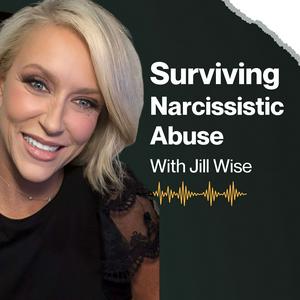
Surviving Narcissistic Abuse with Jill Wise is a podcast dedicated to helping survivors understand, heal from, and ultimately overcome the devastating psychological effects of narcissistic abuse. In each episode, Jill explores the complex dynamics of narcissistic relationships, including manipulation tactics, trauma bonds, gaslighting, and the long term impact of emotional abuse.Jill Wise is a trauma informed narcissistic abuse recovery coach and a lifelong survivor of narcissistic abuse herself. She was raised by a malignant narcissistic father, and later married a malignant narcissist and had a child with him. Her life was profoundly impacted by years of psychological abuse, including the parental kidnapping and severe parental alienation involving her son, which led to more than a decade of painful family court battles.Through thoughtful discussion, psychological insight, and compassionate guidance, Jill helps listeners make sense of what they experienced, break free from trauma bonds, and begin rebuilding their confidence, identity, and peace of mind.If you have ever questioned your reality, struggled to understand narcissistic behavior, or wondered how to truly heal after abuse, this podcast will offer clarity, validation, and hope.Listen to Podcasts:Apple: https://podcasts.apple.com/us/podcast/surviving-narcissistic-abuse-with-jill-wise/id1883547048Spotify: https://open.spotify.com/show/5WLHqJpcBlIUoAUBKulPDA?si=b29436546fa04730Amazon: https://music.amazon.com/podcasts/2bc8e3c9-6328-44b2-b287-628846306687/surviving-narcissistic-abuse-with-jill-wisePodcast Index: https://podcastindex.org/podcast/7748083
Podcast websiteListen to Surviving Narcissistic Abuse with Jill Wise, The Rich Roll Podcast and many other podcasts from around the world with the radio.net app
Get the free radio.net app
- Stations and podcasts to bookmark
- Stream via Wi-Fi or Bluetooth
- Supports Carplay & Android Auto
- Many other app features
Get the free radio.net app
- Stations and podcasts to bookmark
- Stream via Wi-Fi or Bluetooth
- Supports Carplay & Android Auto
- Many other app features

Surviving Narcissistic Abuse with Jill Wise
Scan code,
download the app,
start listening.
download the app,
start listening.
 Ireland

