
Listen to this podcast in the app for free: Download for free in the App Store
radio.net
Sleep timer
Save favourites
542 episodes
Life Update: How I'm Rebuilding My Business Around My Life
16/10/2026 | 37 mins.I kept putting off this solo episode because I did not want to get camera-ready. So I took the camera out of the picture. This audio-only life update is about the changes that helped me feel like myself again, a year after sharing that I was burned out.
I share how I started building my business around my life as a mother, why I am focused on Podcast Moguls and SHIFT, and what I learned from launching the first group cohort of SHIFT this summer.
I also talk about returning to therapy, the impact of postpartum on my mental health, and making room to rest. Next up: building systems that require less of my energy and asking what I can take out of the picture when I feel stuck.
Main Takeaways
Design your business around your life instead of designing your life around your business.
Identify the part of a process that is keeping you stuck, and ask whether you can remove it.
Focus on the offers that fit your life, and build systems that reduce unnecessary work.
Protecting rest and getting professional support can change how you work and how you feel.
Highlights Include
Why this episode is audio only and what I removed from the picture
Where I was last year compared to where I am now
Building my business around motherhood, with most of my work on Tuesdays and Thursdays
Deciding what belongs in the business after a year of experimenting
Recommitting to Podcast Moguls and keeping it current
Launching the first group cohort of SHIFT in July
Why Podcast Moguls and SHIFT feel aligned with this season
The next chapter: systems, systems, systems
Changing my relationship with business and my sense of worth
Therapy, postpartum, and getting support for my mental health
The year I centered myself and redefining wealth
Additional Links:
FREE CLASS: Start the Podcast that Builds Your Exit Plan: https://sidehustlepro.lpages.co/your-first-1000-downloads
Join Podcast Moguls: https://sidehustlepro.co/podcastmoguls
Apply for the SHIFT Coaching Waitlist: https://sidehustlepro.co/shift
START Your Next Chapter: A Woman's Guide to Taking the Leap with AI by Nadeen Matthews Blair: https://amzn.to/4z2AZs8
Watch & Listen
Spotify: https://open.spotify.com/show/13qDj08lBR4ymzGhXIKy8t
Apple Podcasts: https://podcasts.apple.com/us/podcast/side-hustle-pro/id1126021323
Hosted on Acast. See acast.com/privacy for more information.5 Simple Ways to Get Paid for What You Already Know
30/09/2026 | 23 mins.One of the biggest misconceptions I see when it comes to making money is the belief that you need to start from scratch. A new certification, a brand new idea, or a completely different skill set. But the truth is, most of us already have everything we need. The real problem is not a lack of knowledge, it is not knowing how to package and position what we already know.
In this episode, I break down five simple and practical ways to turn your existing skills, experiences, and knowledge into income. Whether you are in between roles, exploring a side hustle, or just trying to make extra money right now, this episode is your reminder that there is value in what you already bring to the table.
I also walk through a key mindset shift. You do not need to be the top expert. You just need to be a few steps ahead of the person you are helping. People are not just paying for information. They are paying for clarity, speed, guidance, and confidence. And that is where your opportunity lies.
Main Takeaways
You do not need new skills or certifications to start making money
There are five core ways to monetize what you already know
People pay for clarity, speed, and guidance, not just expertise
Start with one path and keep it simple instead of trying everything
Highlights Include
00:00 – The biggest misconception about making money
01:30 – Why you already have valuable, monetizable knowledge
02:00 – The 5 ways to make money with what you know
03:00 – The mindset shift you need before starting
04:00 – Service and coaching as the fastest path to income
06:00 – Done-for-you services and why people pay for convenience
08:00 – Creating simple digital products that sell
10:30 – Workshops and why people pay for real-time learning
13:00 – Why reminders are key when selling anything
15:00 – Using content to create opportunities and income
18:00 – How to use AI without losing your voice
21:00 – Why you should pick ONE path and start now
Watch & Listen
Watch this episode on YouTube and listen on all podcast platforms:
Apple Podcasts: https://podcasts.apple.com/us/podcast/side-hustle-pro/id1126021323
Spotify: https://open.spotify.com/show/13qDj08lBR4ymzGhXIKy8t
YouTube: https://www.youtube.com/sidehustlepro
Announcements
If you’re ready to build a podcast that becomes your exit plan from your 9-to-5, sign up for my next live class: Start the Podcast That Builds Your Exit Plan
Save your seat here.
Social Media
Side Hustle Pro – @sidehustlepro
#SideHustlePro
Hosted on Acast. See acast.com/privacy for more information.She Got Laid Off…Then Built a YouTube Income to Pay Her Bills
25/09/2026 | 56 mins.This week in the guest chair, Symone’ Austin shares her powerful journey from being laid off to building a thriving YouTube platform.
After recording and posting her layoff conversation, her video went viral and became the turning point in her entrepreneurial journey. In this episode, she breaks down how she built multiple income streams through YouTube ad revenue, brand partnerships, digital products, virtual assistant work, and strategic financial decisions like bringing on a roommate.
If you’ve been navigating uncertainty, considering content creation, or wondering how to turn a setback into leverage, this episode will show you how.
Highlights Include
00:00 – Recording the layoff conversation that changed everything
04:30 – Growing from 10K to 60K+ subscribers in one year
08:20 – Making $5,900 in one month from YouTube ad revenue
13:00 – Cutting expenses and surviving without touching savings
18:10 – Turning skills into income: photography, digital products, VA work
24:00 – Why personal finance has one of the highest CPMs on YouTube
29:00 – Replacing a corporate salary through content creation
35:00 – The reality of working 7 days a week as a full-time creator
38:00 – Getting a roommate as a financial reset strategy
43:00 – Navigating job offers after deciding to go all-in
Links Mentioned in This Episode
Watch Symone’s YouTube video “I Got Laid Off From My 6 Figure Tech Job”
Podcast Moguls: Start the Podcast That Builds Your Exit Plan
Read Successful Failure by KevOnStage
Watch & Listen
Watch this episode on YouTube and listen on all podcast platforms:
Apple Podcasts: https://podcasts.apple.com/us/podcast/side-hustle-pro/id1126021323
Spotify: https://open.spotify.com/show/13qDj08lBR4ymzGhXIKy8t
YouTube: https://www.youtube.com/sidehustlepro
Announcements
If you’re ready to build a podcast that becomes your exit plan, attend my next live class: Start the Podcast That Builds Your Exit Plan. Save your seat here.
Social Media
YouTube: Life and Numbers: https://www.youtube.com/lifeandnumbers
Instagram: @lifeandnumbers: http://instagram.com/lifeandnumbers
Side Hustle Pro – @sidehustlepro
#SideHustlePro
Hosted on Acast. See acast.com/privacy for more information.From a Food Blog to a $500K-a-Year Media Business: How Jannese Torres Built Yo Quiero Dinero
18/09/2026 | 53 mins.In this episode, I sat down with Jannese Torres, host of the Yo Quiero Dinero podcast, to talk about how she went from a corporate career in engineering, pharmaceuticals, and consumer manufacturing to building a $500K-a-year media business. Jannese shares how getting laid off pushed her to take entrepreneurship seriously and how her food blog, Delish D'Lites, became her first profitable side hustle.
We talk about how she used her blog income to pay off her student loans, why she launched Yo Quiero Dinero in 2019 to create the personal finance show she wanted to hear as a Latina, and how the podcast became the engine behind her book, speaking engagements, brand partnerships, and other income streams.
Jannese also breaks down the team and systems behind the business, why niching down helped her grow brand deals from $125 to more than $50,000, and how she separates the offers that pay the bills from the offers that let her experiment. This is an honest look at what it takes to build a profitable media brand without depending on one platform, one offer, or one source of income.
In this episode, you will learn:
How a layoff gave Jannese the push to test entrepreneurship before she felt fully ready
Why she treated her food blog like a non-negotiable commitment and learned SEO and brand partnerships
How blog income helped her pay off her student loans and become debt-free in February 2020
Why Yo Quiero Dinero centers Latinas and the power of building for a specific audience
How the podcast became the foundation for her book, speaking, brand deals, and other revenue streams
Why a podcast team, online business manager, and talent agent are essential to the way she works now
How she separates reliable 'pay the bills' offers from 'fun money' offers that give her room to experiment
Highlights Include
01:07 - Being the first in her family to graduate from college and beginning her career in pharmaceuticals and medical devices
04:10 - How getting laid off became the catalyst for testing entrepreneurship
08:32 - Building the Delish D'Lites food blog and treating it like a non-negotiable commitment
09:52 - Learning SEO and brand partnerships through a food blogging course
11:33 - Using blog income to become debt-free in February 2020
16:32 - Why owning your platform matters more than building entirely on someone else's platform
17:32 - Moving from blogging to launching Yo Quiero Dinero in 2019
19:42 - Why the podcast intentionally centers the Latina community
26:01 - How the podcast became the engine behind her media business
36:51 - The team behind the business: a podcast team, an online business manager, and a talent agent
40:20 - Growing brand deals from $125 to more than $50,000 by niching down
48:07 - Managing cash flow with 'pay the bills' offers and 'fun money' offers
Links and Resources Mentioned
Yo Quiero Dinero: https://yoquierodineropodcast.com
Connect With Jannese
Instagram: @yoquierodineropodcast
Hosted on Acast. See acast.com/privacy for more information.How to Make Your First $1K Side Hustling
11/09/2026 | 33 mins.If this resonated with you, here are additional resources:
⭐ APPLY TO SHIFT: https://sidehustlepro.co/shift
You do not need a million dollars to change your life, you need your first $1,000.
In this solo episode, I’m breaking down why the first $1K is such a pivotal milestone for side hustlers and how it shifts everything from theory to proof. I walk you through the exact decisions and actions that turn preparation into income without overbuilding, overthinking, or waiting until things feel perfect.
If you’ve been stuck planning, tweaking, or doubting yourself, this episode will help you move forward with clarity, confidence, and momentum.
In This Episode, I Share:
Why the first $1,000 changes everything mentally and strategically
How to choose a simple offer you can confidently deliver right now
How to identify who your offer is really for and why frustration matters
Why clarity, consistency, and conversations matter more than perfection
Highlights Include:
00:00 – Why you don’t need a million dollars to change your life — you need your first $1,000
01:35 – How your mindset shifts after you make your first $1K and why proof matters more than theory
02:31 – What actually counts as an offer and why your first one should be useful, not fancy
03:52 – Why starting with what you’re already confident in is the fastest way to get paid
05:16 – How to decide who your offer is really for and why specificity matters
07:27 – The difference between a painkiller and a vitamin offer (and why frustration drives sales)
08:55 – How to package your offer simply without a website, logo, or brand
11:22 – Why offering your service is the most important step people delay
12:48 – How confidence and customer focus directly impact whether you make your first $1K
14:04 – Why you don’t need a massive audience — just real conversations and feedback
15:37 – How to use feedback as information instead of taking it personally
17:47 – Why overbuilding and “perfecting” keeps side hustlers stuck
19:21 – Breaking down the math behind $1,000 so it feels achievable
20:45 – Why fewer clients at a higher price can reduce burnout
21:34 – Why most people earn their first $1K from conversations, not content
22:19 – How I made my first $1,000 and what actually worked
26:03 – When to start building your email list and why simple free resources convert better
28:54 – How to use a 12-week sprint to stay focused on your first $1K
29:38 – What to do when your first offer feels slow or doesn’t land immediately
31:08 – What changes after you hit your first $1,000 — and the mistake to avoid next
31:49 – Final action steps to start building your first $1K offer
Links Mentioned in This Episode
Side Hustle Pro Website: https://sidehustlepro.co/
Watch & Listen
Watch this episode on YouTube and listen on all podcast platforms:
Apple Podcasts: https://podcasts.apple.com/us/podcast/side-hustle-pro/id1126021323
Spotify: https://open.spotify.com/show/13qDj08lBR4ymzGhXIKy8t
YouTube: https://www.youtube.com/sidehustlepro
Check out episode 530 of Side Hustle Pro podcast out now on Apple Podcasts, Spotify, and YouTube
Click here to subscribe via RSS feed (non-iTunes feed): http://sidehustlepro.libsyn.com/rss
Hosted on Acast. See acast.com/privacy for more information.
More Business podcasts


Trending Business podcasts






About Side Hustle Pro
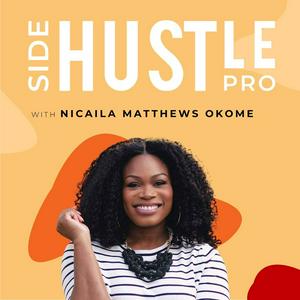
Side Hustle Pro spotlights bold black women entrepreneurs who have scaled from side hustle to profitable business. Join Chief Side Hustler turned full-time entrepreneur Nicaila Matthews Okome for your weekly installment of Side Hustle Pro and learn actionable strategies to start small and get going–wherever and whoever you are. Side Hustle Pro features interviews with inspiring Black women entrepreneurs who started out as side hustlers, including interviews with Myleik Teele, Morgan DeBaun, Tiffany "The Budgetnista" Aliche, and more! Hosted on Acast. See acast.com/privacy for more information.
Podcast websiteListen to Side Hustle Pro, Prof G Markets and many other podcasts from around the world with the radio.net app
Get the free radio.net app
- Stations and podcasts to bookmark
- Stream via Wi-Fi or Bluetooth
- Supports Carplay & Android Auto
- Many other app features
Get the free radio.net app
- Stations and podcasts to bookmark
- Stream via Wi-Fi or Bluetooth
- Supports Carplay & Android Auto
- Many other app features

Side Hustle Pro
Scan code,
download the app,
start listening.
download the app,
start listening.
 Ireland
