
Listen to this podcast in the app for free: Download for free in the App Store
radio.net
Sleep timer
Save favourites
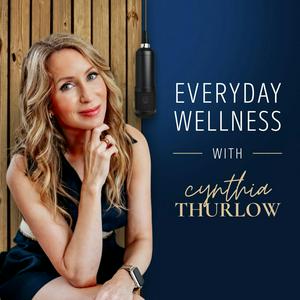
Everyday Wellness: Midlife Hormones, Menopause, and Science for Women 35+
Everyday Wellness™
Latest episode
786 episodes
Ep. 658 Cortisol, Trauma, and the HPA Axis | Cortisol, Cortisol Testing, HPA Axis
22/10/2026 | 27 mins.Welcome to the latest Midlife Minute.
In today’s episode, I answer listeners' questions about cortisol testing, trauma, and the HPA axis.
Stay tuned for more!
IN THIS EPISODE, YOU WILL LEARN:
How generalized stress-related dysregulation differs from clinical conditions involving cortisol excess or deficiency
Why cortisol testing should be anchored to a person's actual sleep schedule rather than the clock
Why a single random cortisol blood draw means almost nothing when assessing HPA axis function
How cortisol can shift from an elevated response to a lower, blunted response as stress and trauma persist
Why a low or flat cortisol curve in someone with trauma or PTSD does not automatically mean adrenal insufficiency
How chronic stress can disrupt the negative feedback loop that keeps cortisol regulated
The adaptogen with the strongest evidence for lowering morning cortisol
How chronic psychological stress is associated with measurably lower ovarian reserve
Connect with Cynthia Thurlow
Cynthia’s website.
Check out the Everyday Podcast on Instagram! www.instagram.com/everydaywellnesspodcast
Follow on X, Instagram & LinkedIn
Submit your questions to support@cynthiathurlow.com
Join other like-minded women in a supportive, nurturing community: The Midlife Pause/Cynthia Thurlow.
Purchase Cynthia’s book, The Menopause Gut.
Cynthia’s Intermittent Fasting Transformation Book
The Midlife Pause Supplement LineEp. 657 Burnout, Hormones, and the HPA Axis with Dr. Tanya Beaubrun | Hormones, Burnout, HPA Axis
21/10/2026 | 1h 7 mins.Today, I’m excited to connect with Dr. Tanya Beaubrun, a family medicine physician specializing in functional integrative medicine, and a certified wellness and transformational coach. Dr. Beaubrun is also a motivational speaker and the author of Held and Healed.
In our conversation, we discuss burnout and hormones, exploring how many women treat being busy as a badge of honor, and why it's important to reframe midlife and beyond. We unpack how the HPA axis regulates the body’s stress response, and look at metabolic health, the importance of advocacy, and the markers Dr. Beaubrun uses to manage her patients’ metabolic health. We also cover nutrition, Doctor TikTok, reframing menopause as power, and how this empowering time in women’s lives can help them come to terms with aging and longevity, and allow the younger generations to see what is possible.
Stay tuned for today’s delightfully personal and highly informative conversation with Dr. Tanya Beaubrun.
IN THIS EPISODE, YOU WILL LEARN:
Why burnout can often go unrecognized in high-functioning women
Dr. Beaubrun explains how she assesses metabolic health and the testing she uses
How hormonal decline in midlife can affect the way women experience stress
What the HPA axis is designed to do in the body
How women need to be listened to by their clinicians without judgment
The metabolic and cardiovascular changes that women experience in midlife
How Dr. Beaubrun helps women to focus on protein and nutrient density when they are busy
Why healthy eating does not mean you have to avoid all the foods you love
How healthcare providers can move from a paternalistic approach to a collaborative relationship with patients
Reframing menopause as a powerful stage of life
Bio:
Dr. Tanya Beaubrun is a Functional and Integrative Medicine physician, wellness educator, speaker and author of Held and Healed. After more than 30 years in medicine—and following her own journey through burnout and recovery—she now helps women reconnect with their health by addressing the root causes of stress, hormonal imbalance and metabolic dysfunction.
Through her signature More Joy Method®, Dr. Tanya combines evidence-based medicine with compassionate whole-person care, empowering women to realize they are not broken—they simply need the right support to heal, thrive and rediscover joy.
Connect with Cynthia Thurlow
Follow on X, Instagram & LinkedIn
Check out Cynthia’s website.
Submit your questions to support@cynthiathurlow.com
Join other like-minded women in a supportive, nurturing community: The Midlife Pause/Cynthia Thurlow.
Purchase Cynthia’s book, The Menopause Gut.
Cynthia’s Intermittent Fasting Transformation Book
The Midlife Pause Supplement Line
Connect with Dr. Tanya Beaubrun
On her website
Instagram
Dr. Beaubrun’s new book, Held and HealedBONUS: Navigating Female Hormones, Metabolism, Sleep and More with Dr. Stephanie Estima | Hormones, Metabolism, Sleep
19/10/2026 | 1h 14 mins.I am thrilled to welcome the extraordinary Dr. Stephanie Estima back to the show today to join me in facilitating many questions from listeners. She was with me last on Episode 272, and before that, on Episode 123.
Dr. Estima’s perspective aligns very closely with mine within the health and wellness space. She is an exceptionally knowledgeable and well-informed clinician specializing in female metabolism and body composition. She authored the invaluable resource known as the Betty Body and hosts The Better! podcast, where I have had the privilege of being her guest.
Today, we answer questions from both our communities, covering topics ranging from managing hormones during breastfeeding while coping with insufficient sleep to issues concerning preconception and methods for cycle tracking. We dive into the best contraceptives for younger women, strategies for supporting detoxification, addressing fibrocystic breasts, navigating autoimmune conditions and fibromyalgia, and determining the intensity of workout routines. There were also many questions about weight training, preferred pre-workouts, favorite supplements tailored for perimenopause and menopause, hormesis, and much more.
Dr. Estima's insights are as enlightening as ever, making today’s conversation a must-listen for anyone on a journey toward optimal well-being.
IN THIS EPISODE YOU WILL LEARN:
How breastfeeding can delay menstrual cycles without causing infertility
Dr. Stephanie discusses fertility and the importance of evaluating both male and female factors
Contraceptive options for younger women
The importance of understanding the side effects and implications of long-term oral contraceptives
The benefits of green leafy vegetables for fibrocystic breasts
Supplements for breast health
The potential drawbacks of mammograms
Perimenopause and autoimmune conditions, including Hashimoto's, thyroiditis, and fibromyalgia
How trauma contributes to the dysregulation of the immune system and autoimmune conditions
Supplements for middle-aged women
How cold plunges and saunas benefit physical and mental well-being
Connect with Cynthia Thurlow
Cynthia’s website.
Check out the Everyday Podcast on Instagram! www.instagram.com/everydaywellnesspodcast
Follow on X, Instagram & LinkedIn
Submit your questions to support@cynthiathurlow.com
Join other like-minded women in a supportive, nurturing community: The Midlife Pause/Cynthia Thurlow.
Purchase Cynthia’s book, The Menopause Gut.
Cynthia’s Intermittent Fasting Transformation Book
The Midlife Pause Supplement Line
Connect with Dr. Stephanie Estima
On Instagram
On her weekly podcast, Better! With Dr. Stephanie, where she explores the human potential, hormones, metabolism, and a life well-lived.
Get a copy of Dr. Stephanie Estima’s #1 bestselling book, The Betty Body: A Geeky Goddess’ Guide to Intuitive Eating, Balanced Hormones, and Transformative Sex
Previous Episodes featuring Dr. Stephanie
Ep. 123 – Menstruation, Muscle, Maternity, & Metabolism: What Every Woman Should Know with Dr. Stephanie Estima
Ep. 272 Understanding Women’s Health: Answering Your FAQs featuring Dr. Stephanie EstimaEp. 656 Brain Health, Metabolism, and Alzheimer’s Risk with Dr. David Perlmutter | Brain Health, Metabolism, Alzheimer's Risk
17/10/2026 | 59 mins.I am thrilled to welcome board-certified neurologist and six-time New York Times best-selling author Dr. David Perlmutter back to the Everyday Wellness Podcast for the third time. He is a fellow of the American Nutrition Association and serves on the board of directors. His most recent book is Brain Defenders.
In this conversation, we discuss microglia, the brain’s immune cells, and explore their role in immune regulation, metabolism, and immunometabolism. We also examine why brain health prevention needs to start decades earlier, environmental threats, emerging therapies, lifestyle influences, especially alcohol consumption, and current brain-health research.
Stay tuned for another invaluable conversation with Dr. David Perlmutter. I loved his latest book, which clarifies the role of immunometabolism — especially in midlife.
IN THIS EPISODE, YOU WILL LEARN:
How microglia support the neurons and nurture synaptic connections
Why microglia can shift from being supportive to becoming destructive
Dr. Perlmutter explains what immunometabolism means
How metabolic issues can affect brain health decades before any cognitive symptoms appear
Why Dr. Perlmutter considers exercise “brain medicine”
The value of aerobics and resistance training for supporting brain health
How chronic stress and environmental threats can affect brain health
Dr. Perlmutter shares practical ways to reduce environmental threats to brain health
The link between alcohol consumption and Alzheimer’s risk
What emerging research shows about GLP-1s and neurodegenerative diseases
Bio:
About Dr. Perlmutter:
Dr. David Perlmutter is a Board-Certified Neurologist and seven-time New York Times bestselling author whose work focuses on the intersection of neurology, nutrition, and brain health. A Fellow of the American College of Nutrition, he serves on its Board of Directors and on the Editorial Board of the Journal of Alzheimer’s Disease. His books, including the #1 bestseller Grain Brain, have been published in 32 languages and sold over a million copies. Dr. Perlmutter lectures globally at leading institutions and has been featured on major media outlets including 20/20, CNN, The Today Show, and Oprah. His contributions have earned him numerous national and international awards for clinical innovation and leadership. His upcoming book, Brain Defenders, focuses on the pivotal role of microglia, the brain’s immune cells, in protecting, repairing, and reprogramming the brain for lifelong resilience, and is available now.
ABOUT THE BOOK: Brain Defenders
New York Times bestseller Brain Defenders reveals the powerful story of your brain's immune guardians (microglia) and how lifestyle choices can turn them into either fierce protectors or hidden saboteurs. The book directly challenges the notion that we now have meaningful treatments for diseases like Parkinson’s and Alzheimer’s. Despite FDA approval for drugs that reduce beta-amyloid, the book reveals that these drugs are not impactful and are actually profoundly dangerous. Packed with cutting-edge science and practical steps, Brain Defenders helps readers take charge of their long-term brain health and unlock lasting cognitive vitality.
Connect with Cynthia Thurlow
Cynthia’s website.
Check out the Everyday Podcast on Instagram! www.instagram.com/everydaywellnesspodcast
Follow on X, Instagram & LinkedIn
Submit your questions to support@cynthiathurlow.com
Join other like-minded women in a supportive, nurturing community: The Midlife Pause/Cynthia Thurlow.
Purchase Cynthia’s book, The Menopause Gut.
Cynthia’s Intermittent Fasting Transformation Book
The Midlife Pause Supplement Line
Connect with Dr. David Perlmutter
Brain Defenders Book
On his websiteEp. 655 Hormonal Acne, Melasma, and Botox Safety | Women's Health, Hormones, Acne
15/10/2026 | 27 mins.Welcome to this week’s Midlife Minute.
Today I’m answering listeners’ questions related to acne, melasma, and neurotoxins.
Stay tuned for more!
IN THIS EPISODE, YOU WILL LEARN:
Why acne is usually hormonal even when blood work looks normal
The mechanism that lies behind the connection between sugar, dairy, and acne
The circumstances where blood testing is warranted for acne
How women can have acne and completely normal-looking labs and regular cycles, and still have PMOS-level hormone activity occurring
The value of screening for PMOS rather than just treating the skin
How melasma differs from acne
Two factors that cause melasma when both are present
Can Botox trigger autoimmune disease or cause autoimmune flares?
How to reduce the risk of problems when using Botox
Connect with Cynthia Thurlow
Follow on X, Instagram & LinkedIn
Check out Cynthia’s website.
Submit your questions to support@cynthiathurlow.com
Join other like-minded women in a supportive, nurturing community: The Midlife Pause/Cynthia Thurlow.
Purchase Cynthia’s book, The Menopause Gut.
Cynthia’s Intermittent Fasting Transformation Book
The Midlife Pause Supplement Line
Reference List: Acne, Melasma, and Neurotoxins
Acne References
A1. Elhassan YS, Hawley JM, Cussen L, et al. Society for Endocrinology Clinical Practice Guideline for the Evaluation of Androgen Excess in Women. Clinical Endocrinology. 2025.
A2. Bienenfeld A, Azarchi S, Lo Sicco K, et al. Androgens in Women: Androgen-Mediated Skin Disease and Patient Evaluation. Journal of the American Academy of Dermatology. 2019.
A3. Briganti S, Flori E, Mastrofrancesco A, Ottaviani M. Acne as an altered dermato-endocrine response problem. Experimental Dermatology. 2020.
A4. Reynolds RV, Yeung H, Cheng CE, et al. Guidelines of Care for the Management of Acne Vulgaris. Journal of the American Academy of Dermatology. 2024.
A5. Moradi Tuchayi S, Makrantonaki E, Ganceviciene R, et al. Acne vulgaris. Nature Reviews Disease Primers. 2015. (Sentinel reference for acne pathophysiology)
A6. Liu YT, Wang YW, Tu C, et al. Recommendations for managing adult acne and adolescent acne based on an epidemiological study conducted in China. Scientific Reports. 2024.
A7. Xia J, Ding L, Liu G. Metabolic syndrome and dermatological diseases: association and treatment. Nutrition & Metabolism. 2025.
A8. Cussen L, McDonnell T, Bennett G, et al. Approach to androgen excess in women: Clinical and biochemical insights. Clinical Endocrinology. 2022.
A9. Melnik BC, Schmitz G. Role of insulin, insulin-like growth factor-1, hyperglycaemic food and milk consumption in the pathogenesis of acne vulgaris. Experimental Dermatology. 2009.
A10. Chang J, Nock MR, Cohen JM, Bunick CG. Acne accounts for an almost 2.5-fold higher proportion of dermatology visits among adult females compared to adult males in the United States. PLoS One. 2022.
A11. Rao Y, Lei Z, Chen S, et al. Differential plasma proteome analysis reveals key proteins associated with insulin resistance in acne vulgaris patients. Scientific Reports. 2025.
A12. Roster K, Fleshner L, Karatas TB, et al. Menopause and Common Dermatoses: A Systematic Review. American Journal of Clinical Dermatology. 2026. (Shared reference, also cited in melasma section)
A13. Eichenfield DZ, Sprague J, Eichenfield LF. Management of Acne Vulgaris. The Journal of the American Medical Association. 2021.
A14. Costa CS, Bagatin E, Yang Z, et al. Systemic pharmacological treatments for acne: an overview of systematic reviews. Cochrane Database of Systematic Reviews. 2021.
A15. Hebert A, Thiboutot D, Stein Gold L, et al. Efficacy and Safety of Topical Clascoterone Cream, 1%, for Treatment in Patients With Facial Acne: Two Phase 3 Randomized Clinical Trials. JAMA Dermatology. 2020.
A16. Zaenglein AL. Acne Vulgaris. The New England Journal of Medicine. 2018.
A17. Teede HJ, Tay CT, Laven JJE, et al. Recommendations From the 2023 International Evidence-Based Guideline for the Assessment and Management of Polycystic Ovary Syndrome. The Journal of Clinical Endocrinology and Metabolism. 2023.
A18. Yesiladali M, Unluhizarci K, Attar E, Kelestimur F. Where are we in the diagnosis and treatment of hirsutism? A narrative review. Reviews in Endocrine & Metabolic Disorders. 2026.
A19. Committee on Practice Bulletins, Gynecology. ACOG Practice Bulletin No. 194: Polycystic Ovary Syndrome. Obstetrics and Gynecology. 2018.
A20. Martin KA, Anderson RR, Chang RJ, et al. Evaluation and Treatment of Hirsutism in Premenopausal Women: An Endocrine Society Clinical Practice Guideline. The Journal of Clinical Endocrinology and Metabolism. 2018.
(See full list of references at https: https://www.cynthiathurlow.com/.
More Health & Wellness podcasts







Trending Health & Wellness podcasts
















About Everyday Wellness: Midlife Hormones, Menopause, and Science for Women 35+
Looking for the latest strategies for dealing with menopause, hormones and midlife health issues? You're in the right place!
Cynthia Thurlow is a nurse practitioner, host of the Everyday Wellness podcast, author and international speaker, with over 15 million views for her second TEDx talk (Intermittent Fasting: Transformational Technique).
With over 25 years experience in health and wellness, Cynthia is a globally recognized expert in perimenopause/menopause and intermittent fasting, and has been featured on ABC, FOX5, KTLA, CW, Medium, Entrepreneur, and The Megyn Kelly Show. Her mission is to help empower women to live their most optimal lives in perimenopause and beyond.
Podcast websiteListen to Everyday Wellness: Midlife Hormones, Menopause, and Science for Women 35+, Any Given Runday and many other podcasts from around the world with the radio.net app
Get the free radio.net app
- Stations and podcasts to bookmark
- Stream via Wi-Fi or Bluetooth
- Supports Carplay & Android Auto
- Many other app features
Get the free radio.net app
- Stations and podcasts to bookmark
- Stream via Wi-Fi or Bluetooth
- Supports Carplay & Android Auto
- Many other app features

Everyday Wellness: Midlife Hormones, Menopause, and Science for Women 35+
Scan code,
download the app,
start listening.
download the app,
start listening.
Everyday Wellness: Midlife Hormones, Menopause, and Science for Women 35+: Podcasts in Family
 Ireland
