
Listen to this podcast in the app for free: Download for free in the App Store
radio.net
Sleep timer
Save favourites
313 episodes
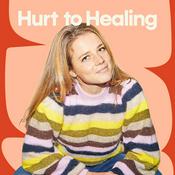
Why Understanding Your OCD Isn't Enough (3 Things That Actually Help) | Pandora Morris
15/11/2026 | 8 mins.Why doesn't understanding your OCD make it go away?
On this episode of Seen, I'm on my own to talk about OCD and self-awareness, and why knowing exactly what you're doing doesn't stop you doing it. I've had years of treatment for my eating disorder and OCD, and I've interviewed many psychologists and therapists on this podcast. I'm not a therapist, but I've learned the hard way that understanding a problem is not the same as changing it.
I share what happened when I went into inpatient treatment for anorexia in South Africa at 24 and my OCD was left untreated, the NHS OCD unit I signed up for that closed when COVID hit, and the point where I was exercising eight or nine hours a day, locked in what felt like an OCD jail, while people told me how much insight I had. Then I go through the three things that actually help.
In this episode, you'll learn:
- How to spot when insight has become a hiding place
- What to ask a therapist, from which type of therapy they practise (CBT, EMDR, DBT, IFS) to how much of each session is practice rather than talk
- Why reassurance seeking is another compulsion, and how the OCD brain loop keeps it going
- How to turn insight into one daily rep, from delaying a compulsion by 10 minutes to the DBT tool of opposite action
Knowing is not the change. Doing is. If you have OCD, I hope this reminds you that you're a lot stronger than you think.
Chapters:Why Self-Awareness Isn't Enough To Beat OCD (00:00)Anorexia Treatment That Left My OCD Untreated (00:46)The NHS OCD Unit That Closed During COVID (01:35)When Insight Becomes A Hiding Place (02:59)CBT, EMDR, DBT Or IFS: Which Therapy Do You Need? (04:48)Is Your Therapy All Talk And No Practice? (05:23)How To Turn Insight Into One Daily Rep (06:15)Opposite Action: The DBT Tool That Disrupts OCD (07:07)Knowing Isn't The Change, Doing Is (08:24)
Join the community:
💌 Substack: Subscribe to Pandora's newsletter for honest reflections and thoughtful conversations about mental health, wellbeing, and life.→ https://substack.com/@seenwithpandora
🎧 Never miss an episode of SEEN! Listen to the podcast anytime, anywhere.Spotify: https://open.spotify.com/show/1Ku2D90pNwBLM17HvLxlB1
Apple Podcasts:https://podcasts.apple.com/gb/podcast/seen-with-pandora-morris/id1649515453Connect with Pandora Morris🌐 Website: https://www.seenwithpandoramorris.com/
📸 Instagram: https://www.instagram.com/seenwithpandora/
💛 Recommended Resources: Explore Pandora's collection of mental health and wellbeing resources for additional guidance and support.→ https://www.seenwithpandoramorris.com/resources
ABOUT SEENHosted by Pandora Morris, Seen is a podcast featuring bold, brave, and honest conversations about mental health, wellbeing, relationships, and the experiences that shape our lives. Through personal stories and expert insights, Seen creates space for understanding, connection, and healing.Everyday Dissociation vs DID: What’s the Difference? | Seen Session: Sally Maslansky
12/11/2026 | 8 mins.What’s the difference between everyday dissociation and DID, and can you heal from trauma without ever confronting the person who caused it? In this Seen Session, I’m joined again by therapist Sally Maslansky, author of A Brilliant Adaptation, for some quick true or false questions on dissociation, what helps us feel safe after trauma, and how to let go of coping mechanisms that no longer serve us, without hating the part of you that needed them. Sally also shares her favourite piece of parenting advice, and the words that remind her it’s never too late.
Join the community:💌
Substack: Subscribe to Pandora's newsletter for honest reflections and thoughtful conversations about mental health, wellbeing, and life.→ https://substack.com/@seenwithpandora
🎧 Never miss an episode of SEEN! Listen to the podcast anytime, anywhere.
Spotify: https://open.spotify.com/show/1Ku2D90pNwBLM17HvLxlB1?si=fbcad6ff3bb24bfa
Apple Podcasts:https://podcasts.apple.com/gb/podcast/seen-with-pandora-morris/id1649515453
Connect with Pandora Morris
🌐 Website: https://www.seenwithpandoramorris.com/
📸 Instagram: https://www.instagram.com/seenwithpandora/
💛 Recommended Resources: Explore Pandora's collection of mental health and wellbeing resources for additional guidance and support.→https://www.seenwithpandoramorris.com/resources
ABOUT SEEN
Hosted by Pandora Morris, Seen is a podcast featuring bold, brave, and honest conversations about mental health, wellbeing, relationships, and the experiences that shape our lives. Through personal stories and expert insights, Seen creates space for understanding, connection, and healing.Dan Siegel: What Do All Mental Health Conditions Have in Common?
10/11/2026 | 1h 3 mins.What do all mental health conditions actually have in common?
On this episode of Seen, I sit down with Dr Dan Siegel, the psychiatrist who named the field of interpersonal neurobiology. He was the training director in child psychiatry at UCLA, he created the Wheel of Awareness practice, and he is the person who came up with the phrase window of tolerance. He has spent more than thirty years on one question: what actually is the mind?
We go through what that looks like in real life. The Wheel of Awareness, and why uncertainty turns out to be another word for freedom. What the psilocybin research shows about a brain dropping out of its old high probability patterns. Temperament and personality, and the twelve year old client who told him OCD should really be called overactive checker deployment. Dan also explains the three things every child needs, which he calls seen, soothed and safe, and why repairing a rupture matters far more than getting it right first time. He says the research puts the number of children without secure attachment somewhere between 35 and 45 per cent.
We also talk about dissociation, whether talking therapy always helps, and how the window of tolerance widens when somebody is willing to sit with you in the hard feeling.
In this episode, you'll learn:
- What integration means, and why Dan says every psychiatric condition shows a loss of it
- The three things every child needs, and why repair matters more than getting it perfect
- How shame convinces you that you are defective, and why that belief is not evidence
- What the window of tolerance is, and how it widens when someone bears witness with you
This conversation stretched my thinking more than almost any I have had on this show. I hope it leaves you feeling a little less broken and a little more whole.
Chapters:
What Is The Mind, And Is It The Same As Your Brain? (00:00)
Why Your Mind Is Not Only In Your Head (09:13)
What Integration Means, And Why It Matters For Mental Health (16:04)
Can You Rewire Your Brain After Years Of Struggle? (28:39)
Seen, Soothed And Safe: What Every Child Needs (35:17)
Surrender, Energy And What Spirituality Really Means (43:46)
What is DID (49:46)
What We Get Wrong About Living Well (58:53)
This episode is for education only and isn't medical advice. We talk about eating disorders, OCD, trauma, dissociation and psychedelic research. If any of it feels close to home, please speak to your GP or a qualified therapist.
Connect with Pandora Morris
💌 Substack: Subscribe to Pandora's newsletter for honest reflections and thoughtful conversations about mental health, wellbeing, and life.https://substack.com/@seenwithpandora
🌐 Website: Discover more about Pandora, explore past episodes, and find resources to support your wellbeing.https://www.seenwithpandoramorris.com/
📸 Instagram: Follow Pandora for meaningful conversations, personal insights, and updates from Seen.https://www.instagram.com/seenwithpandora/
🎧 Spotify: Follow Seen on Spotify and never miss a new episode.https://open.spotify.com/show/1Ku2D90pNwBLM17HvLxlB1?si=fbcad6ff3bb24bfa
🍎 Apple Podcasts: Listen and subscribe to Seen on Apple Podcasts for more honest, thought-provoking conversations.https://podcasts.apple.com/gb/podcast/seen-with-pandora-morris/id1649515453
💛 Recommended Resources: Explore Pandora's collection of mental health and wellbeing resources for additional guidance and support.https://www.seenwithpandoramorris.com/resources
ABOUT SEEN
Hosted by Pandora Morris, Seen is a podcast featuring bold, brave, and honest conversations about mental health, wellbeing, relationships, and the experiences that shape our lives. Through personal stories and expert insights, Seen creates space for understanding, connection, and healing.How to Break the Overthinking Loop: 3 Tools That Help | Pandora Morris
08/11/2026 | 9 mins.Why does overthinking feel like it’s solving a problem, when all it really does is send you round in circles?
I’ve lived with OCD my whole life, which makes me an expert overthinker. For four years I’ve had the privilege of talking to experts about it on this show, and in this solo episode I’m sharing three tools they’ve taught me that actually help.I also tell you about the night a lovely evening with a friend turned into a full doom spiral on my way to the tube, and the message that proved my brain completely wrong. If you’ve ever stared at two blue ticks waiting for a reply, or replayed a conversation over and over, this one’s for you. You can’t think your way out of a thinking problem. The goal isn’t to stop thethoughts. It’s to stop feeding them.
In this episode, you’ll learn:
Timestamps
Introduction: Why You Can’t Think Your Way Out of Overthinking (00:00)
Tip 1: Catch the Loop With 3 Questions (00:41)
How One Goodbye Turned Into an Overthinking Spiral (01:04)
Unanswered Messages and Fear of Rejection (02:50)
Why Overthinking Is a Form of Self-Doubt (03:46)
Tip 2: Give Your Worries a Time Slot (05:08)
Why Everyone Else Seems Calmer Than You (06:06)
Tip 3: Get Out of Your Head and Into the Room (07:19)
Don’t Stop Your Thoughts, Stop Feeding Them (09:22)
Recap and the 5-4-3-2-1 Grounding Test (09:53)
How to Notice the Positives Again (11:39)
Join the community:💌 Substack: Subscribe to Pandora's newsletter for honest reflections and thoughtful conversations about mental health, wellbeing, and life. https://substack.com/@seenwithpandora
Never miss an episode of SEEN! Listen to the podcast anytime, anywhere.
Sotify: https://open.spotify.com/show/1Ku2D90pNwBLM17HvLxlB1?si=fbcad6ff3bb24bfa
Aple Podcasts: htps://podcasts.apple.com/gb/podcast/seen-with-pandora-morris/id1649515453
connect with Pandora Morris
🌐Website: https://www.seenwithpandoramorris.com/
📸 instagram: https://www.instagram.com/seenwithpandora/
💛 Recommended Resources: Explore Pandora's collection of mental health and wellbeing resources for additional guidance and support.→ htps://www.seenwithpandoramorris.com/resources
ABOUT SEEN:Hosted by Pandora Morris, Seen is a podcast featuring bold, brave, and honest conversations about mental health, wellbeing, relationships, and the experiences that shape our lives. Through personal stories and expert insights, Seen creates space for understanding, connection, and healing.Are You Coping or Escaping? How to Tell the Difference | Seen Session: Lauren McQuistin
05/11/2026 | 11 mins.How can you tell if you are coping or escaping?
In this bonus episode of Seen, I’m back with Lauren McQuistin, author of How to Build a Life That You Don’t Want to Escape From. We pick up where the main episode left off.
Lauren explains the difference between coping and escaping, and why shame keeps you stuck in a version of the past that no longer exists. She walks me through what recovery looks like day to day, from her first 10 minutes each morning to learning how to cook. She also shares how she sits with difficult emotions, by naming exactly what she feels and asking if she needs a fire or a blanket.
If you feel stuck and don’t know where to start, Lauren’s advice is simple: start with the smallest change you can make.
This episode is for education only and isn’t medical advice. We talk about addiction, eating disorders and suicidal thoughts. If any of it feels close to home, please speak to your GP or a qualified therapist.
Connect with Pandora Morris
💌 Substack: Subscribe to Pandora's newsletter for honest reflections and thoughtful conversations about mental health, wellbeing, and life.https://substack.com/@seenwithpandora
🌐 Website: Discover more about Pandora, explore past episodes, and find resources to support your wellbeing.https://www.seenwithpandoramorris.com/
📸 Instagram: Follow Pandora for meaningful conversations, personal insights, and updates from Seen.https://www.instagram.com/seenwithpandora/
🎧 Spotify: Follow Seen on Spotify and never miss a new episode.https://open.spotify.com/show/1Ku2D90pNwBLM17HvLxlB1?si=fbcad6ff3bb24bfa
🍎 Apple Podcasts: Listen and subscribe to Seen on Apple Podcasts for more honest, thought-provoking conversations.https://podcasts.apple.com/gb/podcast/seen-with-pandora-morris/id1649515453
💛 Recommended Resources: Explore Pandora's collection of mental health and wellbeing resources for additional guidance and support.https://www.seenwithpandoramorris.com/resources
ABOUT SEEN
Hosted by Pandora Morris, Seen is a podcast featuring bold, brave, and honest conversations about mental health, wellbeing, relationships, and the experiences that shape our lives. Through personal stories and expert insights, Seen creates space for understanding, connection, and healing.
More Health & Wellness podcasts





Trending Health & Wellness podcasts















About Seen with Pandora Morris
Seen with Pandora Morris is a podcast about mental health, physical health, relationships and the experiences that shape us.
Each week, Pandora speaks to guests about their own experiences, alongside leading experts in psychology, health and wellbeing. From anxiety and relationships to self-worth, identity and the harder parts of life, Seen explores what we go through, why we feel the way we do and what can actually help.
Formerly Hurt to Healing.
Podcast websiteListen to Seen with Pandora Morris, UNTAPPED with Spencer Matthews and many other podcasts from around the world with the radio.net app

Get the free radio.net app
- Stations and podcasts to bookmark
- Stream via Wi-Fi or Bluetooth
- Supports Carplay & Android Auto
- Many other app features

 Ireland

