

Listen to this podcast in the app for free: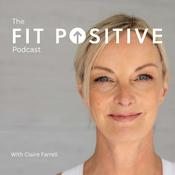 Download for free in the App Store
radio.net
Sleep timer
Save favourites
48 episodes
Consistency is the goal. Fun is the strategy.
08/07/2026 | 34 mins.We've all been told that lasting health and fitness comes down to discipline.
Be more motivated.
Have more willpower.
Work hard enough.
But what if we've been focusing on the wrong thing?
In this episode, I share what I believe is one of the biggest predictors of long-term success:
Consistency is the goal. Fun is the strategy.
I explain why creating healthy habits you genuinely enjoy isn't a luxury—it's one of the smartest things you can do if you want those habits to last.
Inspired by our recent Summer Series Kickoff Call and some wonderful comments from members inside the Fit Positive community, we explore why enjoying the process is every bit as important as the destination.
In this episode we cover:
Why I don't believe healthy eating should feel restrictive
Why food is one of life's great pleasures—and should stay that way
The philosophy behind Fit Positive recipes and why we work so hard to make them delicious, indulgent and balanced
Why our 30-minute strength workouts are intentionally designed to leave you feeling stronger, calmer and wanting to come back for more
Why enjoyment is one of the most overlooked drivers of consistency
The science behind habit formation, including insights from BJ Fogg (Tiny Habits), James Clear (Atomic Habits), Katy Milkman (How to Change) and Self-Determination Theory
How to make your healthy habits easier to stick to by making them more enjoyable
Why your "why" gives you direction, but enjoyment keeps you coming back
If you've ever struggled to stay consistent with healthy habits, this episode might just change the way you think about health and fitness.
Because perhaps the healthiest people aren't the ones with the most discipline.
They're the ones who've built a lifestyle they genuinely enjoy living.
Resources Mentioned
Fit Positive Recipe eBook – launching 14th July! Join my email list to be first notified!
Join Fit Positive and discover how delicious, balanced meals and simple, sustainable habits can help you become leaner, stronger and healthier—without feeling deprived.
Tiny Habits – BJ Fogg
Atomic Habits – James Clear
How to Change – Katy Milkman
Self-Determination Theory – Edward Deci & Richard RyanProtecting Your Brain in Midlife: How to Reduce Your Risk of Cognitive Decline
29/06/2026 | 53 mins.Most of us worry about losing our memory as we get older. We watch parents or grandparents develop dementia or Alzheimer's disease and wonder if the same thing will happen to us.
The good news is that while we can't control our genetics, we have far more influence over our brain health than many people realise.
In this episode, a coaching call with my members from 2025, we're diving into the science of protecting your brain in midlife and the lifestyle habits that can dramatically reduce your risk of cognitive decline later in life.
We'll talk about why women are disproportionately affected by Alzheimer's disease, what actually causes it, and the evidence-based steps you can take today to support a healthier brain for decades to come.
The good news is that much of what protects your brain is already built into the Fit Positive Method.
In this episode, we cover:
What Alzheimer's disease is and how it develops
Why women are at greater risk than men
The difference between genetic and modifiable risk factors
How exercise, nutrition and strength training protect the brain
The role of cardiovascular health in reducing dementia risk
Why sleep is essential for clearing waste from the brain
The connection between blood sugar, insulin resistance and cognitive decline
The importance of social connection, lifelong learning and managing stress
Why it's never too early—or too late—to start protecting your brain
Books mentioned
The XX Brain by Dr Lisa Mosconi
The Alzheimer's Solution by Dr Dean Sherzai & Dr Ayesha Sherzai
Key takeaway
Looking after your brain is about consistently doing the simple things that science tells us make the biggest difference: moving your body, building muscle, nourishing yourself with balanced meals, sleeping well, managing stress and staying socially and mentally engaged.
In other words, it's about building a lifestyle that supports not just a longer life—but a healthier one.
If you've been following the Fit Positive Method, you're already taking meaningful steps to protect your brain for the future.
If you enjoyed this episode, I'd be so grateful if you could leave a rating or review and share it with someone who might benefit from it.
For more evidence-based advice on health and fitness in midlife, follow me on Instagram @fitpositive.ie or visit fitpositive.ie to learn more about the Fit Positive membership.Why the Fundamentals Still Win
22/06/2026 | 34 mins.If you've ever found yourself thinking:
"I've tried everything and nothing is working..."
...this episode is for you.
Recently, I asked women in my community what their biggest health and fitness challenges were. One clear theme was that women are trying everything to lose weight in midlife but nothing is working.
Then, in the very same week, I was reading through the wins from our Summer Shape Up Challenge:
"My 3pm chocolate cravings have disappeared."
"I no longer need a nap after work."
"I'm down 4kg and don't feel deprived."
"I've lost 7kg and moved three belt notches."
"I can do a full press-up for the first time."
"I'm lifting heavier weights than ever."
So how can both be true?
How can one group of women feel like nothing works, while another group is getting stronger, leaner, fitter and healthier?
In this episode, we're diving into:
Why information overload is holding so many women back
The skill of discernment and how to filter health advice online
Why trying everything often leads to frustration
Why the women getting the best results are usually doing less, not more
The power of strength training, walking, protein and balanced meals
Why consistency beats complexity every time
How social media has convinced us that progress should happen faster than it really does
Why the fundamentals continue to outperform every new health and fitness trend
If you've been feeling stuck, overwhelmed, confused by conflicting advice, or frustrated that your efforts aren't paying off, this episode will help bring you back to what matters most.
Because the fundamentals still work. They've always worked.
And they'll continue to work long after the latest social media trend disappears.
Resources Mentioned
Podcast Episodes
Discernment and Navigating Health Information Online
Episode on Strength Training
Free Guide: The Fit Positive Method
https://stan.store/fitpositive/p/download-your-free-guide--the-fit-positive-method
Join Fit Positive
https://www.fitpositive.ie
If you enjoyed this episode, please take a moment to subscribe, leave a review, and share it with a friend who might need to hear it.
CxLeaving My Corporate Career to Build Fit Positive - My Career Journey
17/06/2026 | 42 mins.This episode is not my usual content but was inspired by a question from a member of our community:
"I want to leave my corporate job and become self-employed like you, but I'm scared."
This question has come up quite a few times now so I figured it's time I dedicated an episode to my career journey, which if helpful to anyone else considering a career pivot, is worth doing!
My answer turned into a much bigger conversation about fear, identity, confidence, societal expectations, people-pleasing, and why so many women stay stuck in situations that no longer fit them.
I hope you find it helpful - let me know if you'd like me to talk more about this topic!
CxI Know What To Do… So Why Can’t I Stick To It?
09/06/2026 | 32 mins.Have you ever felt like you know exactly what you should be doing to lose weight, get stronger, or feel healthier… but you just can’t seem to stay consistent?
You're not alone.
In this episode, I'm answering some of the responses I received when I asked my Instagram community to finish the sentence:
"I want to _____ but _____."
What came back wasn't a lack of knowledge about calories, protein, or exercise. Instead, an overwhelming theme was consistency.
"I want to commit to a calorie cut but finding it hard to be consistent and stick to it."
"I want to stay CONSISTENT but LIFE gets in the way."
"I want to be consistent with food but life keeps getting in the way."
If any of these sound familiar, this episode is for you.
We discuss:
How to build consistency easily
How to know your numbers
How to approach nutrition phasing (maintenance versus deficit)
Why life will always get in the way (and why that's completely normal)
Why motivation isn't the secret to success
Practical strategies to deal with busy weeks, holidays, weekends, and stressful periods
If you've ever thought:
"I know what to do... so why can't I just do it?"
This conversation will help you understand why—and more importantly, what to do about it.
FREE CALORIE & MACRO CALCULATOR
Not sure how much you should be eating for your goals?
I've created a free calculator to help you estimate your calories, protein, carbs, and fats based on your goals and activity levels.
Try it here:
https://v9cv2hpnyi8.typeform.com/to/Ufp2GGPb?utm_source=insta&utm_campaign=bio
READY FOR MORE SUPPORT?
If you're looking for structured workouts, nutrition guidance, coaching, and a supportive community of women navigating midlife health, fitness, and fat loss, I'd love to welcome you into Fit Positive.
Learn more at:
www.fitpositive.ie
If you enjoyed this episode, please subscribe, leave a review, and share it with a friend who needs to hear this message today.
More Health & Wellness podcasts






Trending Health & Wellness podcasts













About The Fit Positive Podcast
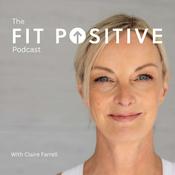
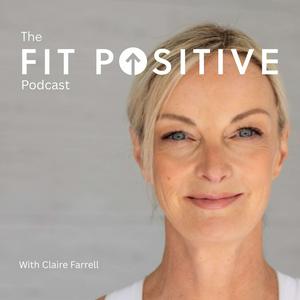
Hosted by Claire Farrell—health coach, personal trainer, and midlife transformation expert—The Fit Positive Podcast is your go-to space for honest, empowering conversations about strength, sustainable fat loss, and thriving through midlife.Each week, Claire breaks down the science of what actually works for women in their 40s and 50s when it comes to meals, movement, mindset and everything in between. Whether you're navigating perimenopause, feeling stuck in the all-or-nothing trap, or just want to feel strong and confident again, you're in the right place.Expect solo episodes, guests, practical strategies, and real talk—always with warmth, compassion, and zero judgment.This is your reminder that midlife is not the end. It’s the beginning of your strongest chapter yet.
Podcast websiteListen to The Fit Positive Podcast, Feel Better, Live More with Dr Rangan Chatterjee and many other podcasts from around the world with the radio.net app
Get the free radio.net app
- Stations and podcasts to bookmark
- Stream via Wi-Fi or Bluetooth
- Supports Carplay & Android Auto
- Many other app features
Get the free radio.net app
- Stations and podcasts to bookmark
- Stream via Wi-Fi or Bluetooth
- Supports Carplay & Android Auto
- Many other app features

The Fit Positive Podcast
Scan code,
download the app,
start listening.
download the app,
start listening.
The Fit Positive Podcast: Podcasts in Family
 Ireland