
Listen to this podcast in the app for free: Download for free in the App Store
radio.net
Sleep timer
Save favourites
1148 episodes
1300: Classic ACP Identify And Befriending Your Fears
22/11/2026 | 14 mins.In today's episode, Gina returns to the topic of fear and guides listeners through a list of questions designed to help them identify their specific fears and what is underlying them. Improving one's understanding of the various fears he or she keeps will ultimately help alleviate and minimize those fears. Listen in to start to reduce your fear today!
Stillpoint Fridays is my once-a-week Friday note — a slower, more personal reflection that’s different from what I share on the podcast.
If you’d like a quiet place to land as the week winds down, you can join here: http://eepurl.com/bR2F9P or on our website anxietycoachespodcast.com and sign up for the newsletter.
Please visit our Sponsor Page to find all the links and codes for our awesome sponsors! https://www.theanxietycoachespodcast.com/sponsors/
Website https://www.theanxietycoachespodcast.com
Join our community Group Coaching Join our Group Coaching Full or Mini Membership Program
1:1 Coaching Learn more about our One-on-One Coaching
If you prefer to listen AD-FREE, try our Supercast premium access membership:
Learn more about anxiety What is anxiety?
Free Guided Meditation for Calming Your Anxious Mind 10-Minute Body-Scan Meditation for Anxiety
Quote:
Fear keeps us focused on the past or worried about the future. If we can acknowledge our fear, we can realize that right now we are okay. Right now, today, we are still alive, and our bodies are working marvelously. Our eyes can still see the beautiful sky. Our ears can still hear the voices of our loved ones.
-Thich Nhat Hanh
Chapters
0:23 Befriend Your Fears
1:59 Questions to Identify Your Fears
4:13 Peel Back the Layers
7:32 The “So What?” Exercise
8:46 See How Fear Affects Your Life
10:23 Stop Avoiding Fear
11:48 Smile at Your Fear
12:33 Finding Safety in the Present Moment
Summary
We discuss how identifying and befriending fear can help us understand anxiety. Naming what we fear—whether it feels internal or external—can bring clarity about what we are dealing with and help us decide how to respond.We walk through questions to explore fear: What am I afraid of, and why? What do I avoid thinking about? When do I feel afraid, what emotions arise, what negative outcomes do I imagine, and what images come to mind? Repeating these questions can help us peel back layers and uncover a deeper fear beneath the concerns we notice first.
Using fear of losing a job as an example, we consider what might lie underneath: not having enough money, being unable to pay bills, or being unable to provide for family. Asking “so what?” at each step can help us identify the root concern. We can then consider how fear affects our emotional well-being, relationships, work, and ability to enjoy the present.
We discuss writing these thoughts down as a way to give anxious feelings a voice rather than pushing them aside. Avoiding fear through distraction or other habits may offer brief relief, but the fear remains. Instead, we can turn toward it, ask what it wants us to notice, and practice acknowledging it with openness. The episode closes with a quote from Thich Nhat Hanh about recognizing fear and returning attention to the present moment.
#AnxietyCoachesPodcast #GinaRyan #OvercomingFear #AnxietyRelief #BefriendYourFear #MentalHealthMatters #AnxietyHelp #ManagingAnxiety #Mindfulness #ThichNhatHanh #JournalingForAnxiety #FacingFears #RootCause #SelfReflection #EmotionalWellness #StressManagement #AnxietySupport #PersonalGrowth #MentalHealthPodcast #PresentMoment #WorryLess #HealingJourney #AnxietyRecovery #ConquerFear #SelfAwareness #MindsetShift #InnerPeace #AnxietyTips #StopAvoiding #Aloha #ACP
See Privacy Policy at https://art19.com/privacy and California Privacy Notice at https://art19.com/privacy#do-not-sell-my-info.1299: How To Say No Without Guilt: Setting Boundaries During The Holidays
18/11/2026 | 28 mins.In today's episode, Gina discusses holiday stress and how to use good boundary practices at family gatherings to minimize anxiety and allow for as much peace and calm as possible. A number of practical tips for establishing and maintaining these boundaries are provided. Listen in and have a holiday season filled with peace, calm and harmony.
Stillpoint Fridays is my once-a-week Friday note — a slower, more personal reflection that’s different from what I share on the podcast.
If you’d like a quiet place to land as the week winds down, you can join here: http://eepurl.com/bR2F9P or on our website anxietycoachespodcast.com and sign up for the newsletter.
Please visit our Sponsor Page to find all the links and codes for our awesome sponsors! https://www.theanxietycoachespodcast.com/sponsors/
Website https://www.theanxietycoachespodcast.com
Join our community Group Coaching Join our Group Coaching Full or Mini Membership Program
1:1 Coaching Learn more about our One-on-One Coaching
If you prefer to listen AD-FREE, try our Supercast premium access membership:
Learn more about anxiety What is anxiety?
Free Guided Meditation for Calming Your Anxious Mind 10-Minute Body-Scan Meditation for Anxiety
Quote:
Boundaries are the distance at which I can love you and me simultaneously.
-Prentis Hemphill
Chapters
0:23 Setting Limits Without Guilt
3:55 Why We Say Yes When We Mean No
5:06 Fawn, Freeze, and the Nervous System
9:03 Old Family Roles and Holiday Expectations
11:11 Boundaries as Protection, Not Rejection
13:45 Preparing for Holiday Boundaries
17:17 Simple Words for Saying No
20:49 Understanding Boundary Guilt
23:33 Building Confidence One Small Boundary at a Time
25:28 Making Space for a More Peaceful Holiday
27:43 A Closing Thought on Boundaries
Summary
We discuss setting limits during the holiday season, especially when anxiety makes it difficult to say no. We explore how people may agree to requests despite feeling overwhelmed, then experience resentment or self-criticism. These patterns can develop from earlier experiences in which keeping the peace, being helpful, or avoiding others’ disappointment felt important.We look at fawn and freeze responses as ways the nervous system may react to perceived threats to connection or belonging.
Fawning can involve accommodating others, over-apologizing, or taking responsibility for their feelings; freezing can make it difficult to respond in the moment. Familiar family roles may also return during holiday gatherings, even as our needs and circumstances change.We describe boundaries as a way to protect our time, energy, and emotional capacity, rather than as punishment or rejection. We distinguish a request, which asks someone else to act differently, from a boundary, which describes how we will respond. Preparation can include deciding what we are comfortable doing, pausing before answering, visualizing a difficult interaction, and arranging a way to take a break or leave.
We offer phrases for declining invitations, limiting responsibilities, responding to personal questions or uncomfortable comments, repeating a decision when pressured, and leaving a gathering. We also discuss guilt after setting a limit, distinguishing guilt about genuine harm from discomfort that arises when we change an established pattern. Starting with small limits can help build confidence and make it easier to choose responses based on awareness rather than fear.We close by reflecting on how limits can support more honest relationships and allow us to care for ourselves while remaining connected to others.
#AnxietyCoachesPodcast #GinaRyan #SettingBoundaries #HolidayBoundaries #HowToSayNo #PeoplePleasing #FawnResponse #FreezeResponse #NervousSystemRegulation #PolyvagalTheory #HolidayStress #HolidayAnxiety #FamilyDynamics #HealthyBoundaries #GuiltFree #ConditionedGuilt #MentalHealthPodcast #AnxietyRelief #EmotionalWellbeing #SelfCare #ProtectYourPeace #SayNoWithoutGuilt #BoundarySetting #StressManagement #MentalWellness #EmotionalResilience #SelfCompassion #HolidaySurvival #BurnoutPrevention #PersonalGrowth #PrentisHemphill #MindfulHolidays #InnerPeace #AnxietySupport #OvercomingAnxiety #ACP
See Privacy Policy at https://art19.com/privacy and California Privacy Notice at https://art19.com/privacy#do-not-sell-my-info.1298: Why Family Brings Out Your Anxiety: Understanding Attachment and the Nervous System
15/11/2026 | 28 mins.In today's episode, Gina discusses the often anxiety provoking situations people can find themselves in around the holidays, especially attending family gatherings. Specific attention is devoted to how old emotional and attachment patterns can be reactivated while reunited with family. Being aware of how the nervous system responds to feelings of safety and threat can help us maintain safe boundaries during such gatherings. A number of suggestions for maintaining equilibrium during the holidays are included.
Stillpoint Fridays is my once-a-week Friday note — a slower, more personal reflection that’s different from what I share on the podcast.
If you’d like a quiet place to land as the week winds down, you can join here: http://eepurl.com/bR2F9P or on our website anxietycoachespodcast.com and sign up for the newsletter.
Please visit our Sponsor Page to find all the links and codes for our awesome sponsors! https://www.theanxietycoachespodcast.com/sponsors/
Website https://www.theanxietycoachespodcast.com
Join our community Group Coaching Join our Group Coaching Full or Mini Membership Program
1:1 Coaching Learn more about our One-on-One Coaching
If you prefer to listen AD-FREE, try our Supercast premium access membership:
Learn more about anxiety What is anxiety?
Free Guided Meditation for Calming Your Anxious Mind 10-Minute Body-Scan Meditation for Anxiety
Quote:
Nothing ever goes away until it has taught us what we need to know.
-Pema Chödrön
Chapters
0:23 Understanding Family Anxiety
4:23 How Family Patterns Shape Attachment
6:53 Attachment Styles at Holiday Gatherings
10:53 Nervous System Responses to Family
15:44 Preparing for Family Gatherings
17:22 Five Ways to Prepare
21:25 Responding When Old Patterns Return
23:29 Loving Family While Protecting Your Peace
25:40 Practicing Self-Compassion and Growth
27:12 Closing Thoughts and Quote
Summary
In this episode we explore why family gatherings during the holidays can bring back anxiety and familiar emotional responses, even after years of personal growth. We discuss how early relationship experiences can shape attachment patterns and how familiar people, settings, and conversations may activate those patterns.
We cover anxious, avoidant, fearful-avoidant, and secure tendencies as general patterns rather than fixed labels.We look at how the nervous system responds to perceived safety and danger in social situations, including states associated with connection, mobilization, and shutdown. These responses can show up as people-pleasing, defensiveness, irritability, withdrawal, or difficulty expressing ourselves. We consider how asking what our nervous system may be responding to can replace self-criticism with greater understanding.
We share five ways to prepare for a family gathering: identify likely triggers, settle the body beforehand, decide on boundaries, strengthen our connection with ourselves, and plan for breaks. If stress arises in the moment, we can notice bodily cues, orient to the present, pause before responding, and choose a response rather than repeating an old pattern.We discuss how we can care about family while protecting our peace, and how boundaries may range from limiting certain conversations to choosing not to attend when a relationship is unsafe. We close by considering old feelings as opportunities to practice new responses, treat ourselves with kindness, and make choices from self-respect.
#AnxietyCoachesPodcast #GinaRyan #HolidayAnxiety #FamilyGatherings #HolidayStress #AttachmentTheory #AttachmentStyles #AnxiousAttachment #AvoidantAttachment #SecureAttachment #NervousSystemRegulation #PolyvagalTheory #FamilyDynamics #SettingBoundaries #HealthyBoundaries #PeoplePleasing #SelfCompassion #GroundingTechniques #MentalHealthMatters #EmotionalHealing #PersonalGrowth #SelfAwareness #StressManagement #ProtectYourPeace #Mindfulness #AnxietyRelief #AnxietySupport #HolidaySeason #CopingStrategies #EmotionalRegulation #InnerWork #HealingJourney #FamilyTriggers #MentalWellness #CalmYourNervousSystem #ACP
See Privacy Policy at https://art19.com/privacy and California Privacy Notice at https://art19.com/privacy#do-not-sell-my-info.1297: Classic ACP Calm Anxiety By Building Adaptibility
11/11/2026 | 16 mins.In today's episode, Gina discusses the distinction between parasympathetic and sympathetic nervous systems and how to use our understanding of these systems to help us regulate our response to stress and anxiety provoking circumstances. Gina identifies a number of symptoms associated with our sympathetic nervous system response as well as methods to get us back to our peaceful, rest and digest state.
Stillpoint Fridays is my once-a-week Friday note — a slower, more personal reflection that’s different from what I share on the podcast.
If you’d like a quiet place to land as the week winds down, you can join here: http://eepurl.com/bR2F9P or on our website anxietycoachespodcast.com and sign up for the newsletter.
Please visit our Sponsor Page to find all the links and codes for our awesome sponsors! https://www.theanxietycoachespodcast.com/sponsors/
Website https://www.theanxietycoachespodcast.com
Join our community Group Coaching Join our Group Coaching Full or Mini Membership Program
1:1 Coaching Learn more about our One-on-One Coaching
If you prefer to listen AD-FREE, try our Supercast premium access membership:
Learn more about anxiety What is anxiety?
Free Guided Meditation for Calming Your Anxious Mind 10-Minute Body-Scan Meditation for Anxiety
Quote:
True stability results when presumed order and presumed disorder are balanced. A truly stable system expects the unexpected, is prepared to be disrupted, waits to be transformed.
-Tom Robbins
Chapters
0:27 Calm Anxiety Through Adaptability
2:56 Understanding the Fear Cycle
6:15 Building Resilience and Flexibility
9:25 Coping With Chronic Stress
12:05 Making Time for Meditation
14:47 Closing Thoughts and Today’s Quote
Summary
This episode we discuss how anxiety can keep us in a cycle of fear and fight-or-flight, including the worry that physical sensations will return. We describe common responses such as a racing heart, sweating, shallow breathing, muscle tightness, trembling, tingling, and difficulty sleeping. These reactions are part of the body’s normal stress response, and becoming afraid of them can keep the cycle going.We talk about building adaptability by strengthening our resilience to internal and external stress.
Our capacity can be affected by both acute stress, which comes and goes, and chronic stress that offers little relief. Ongoing responsibilities, such as caregiving, can make it especially difficult to recover and regain a sense of balance.We discuss making small, regular opportunities to rest and catch our breath, particularly when we cannot change a stressful situation.
Meditation can help us settle, let go of some of the day’s stress, and feel better able to adapt. For those with unpredictable schedules, we suggest starting with a ten-minute meditation at bedtime and making it a daily practice.
#Anxiety #AnxietyRelief #PanicAttacks #FightOrFlight #NervousSystem #NervousSystemHealing #ParasympatheticNervousSystem #StressManagement #StressRelief #ChronicStress #Resilience #BuildingResilience #Adaptability #FearOfFear #AnxietySymptoms #AnxietySupport #MentalHealth #MentalHealthAwareness #MentalWellness #GuidedMeditation #BedtimeMeditation #SleepMeditation #Mindfulness #MindfulnessPractice #SelfCare #CalmYourMind #AnxietyRecovery #AnxietyCoachesPodcast #GinaRyan #ACP
See Privacy Policy at https://art19.com/privacy and California Privacy Notice at https://art19.com/privacy#do-not-sell-my-info.1296: You Don’t Need a Quiet Mind to Meditate: A Guided Meditation for Busy Thoughts
08/11/2026 | 21 mins.In today's episode, Gina shares an extensive bit of wisdom regarding the value of meditation and how to get started with basic meditation readily and easily. Using the instructions contained in this episode, listeners will have the opportunity to get started with meditation in as little as a single breath. A quiet guided meditation is included in the second half of the episode to help listeners get started with meditation, or for those already accustomed to meditation, to further their practice.
Stillpoint Fridays is my once-a-week Friday note — a slower, more personal reflection that’s different from what I share on the podcast.
If you’d like a quiet place to land as the week winds down, you can join here: http://eepurl.com/bR2F9P or on our website anxietycoachespodcast.com and sign up for the newsletter.
Please visit our Sponsor Page to find all the links and codes for our awesome sponsors! https://www.theanxietycoachespodcast.com/sponsors/
Website https://www.theanxietycoachespodcast.com
Join our community Group Coaching Join our Group Coaching Full or Mini Membership Program
1:1 Coaching Learn more about our One-on-One Coaching
If you prefer to listen AD-FREE, try our Supercast premium access membership:
Learn more about anxiety What is anxiety?
Free Guided Meditation for Calming Your Anxious Mind 10-Minute Body-Scan Meditation for Anxiety
Chapters
0:27 A Busy Mind Is Part of Meditation
3:27 Start Small and Find Your Way
5:07 Give Your Mind a Gentle Job
7:56 Practice Meditation with a Busy Mind
12:14 Listen, Notice, and Return
16:45 Pause, Breathe, Observe, Proceed
18:09 Carry the Practice into Daily Life
Summary
We discuss why a busy mind is not a sign of meditation failure. Meditation is the practice of noticing when attention wanders and gently returning it, with each return offering another opportunity to practice.We consider ways to make meditation more approachable, including beginning with a few breaths rather than setting a time goal. Stillness and closed eyes are not required: sitting, lying down, walking, or adjusting your position can all be part of the practice.
We also explore giving the mind a simple task by labeling what is happening, such as thinking, planning, worrying, or judging, then returning attention to an anchor. Anchors can include the breath, the feeling of the feet on the floor, sounds, air on the skin, or the texture of an object.We guide a meditation that moves attention among the breath, feet, sounds, and the sensation of a hand resting on the body. The practice includes noticing and naming distractions without trying to resolve or suppress them, and allowing movement when needed.
We introduce a brief pause practice: stop, take one breath, observe what is present, and proceed. This can be used during everyday moments, such as before responding to a message or entering a difficult conversation. We conclude by emphasizing that even one conscious breath or moment of noticing can be a meditation practice.
#AnxietyCoachesPodcast #GinaRyan #Meditation #BusyMind #Mindfulness #AnxietyRelief #MeditationForBeginners #MentalHealth #Presence #Breathwork #GuidedMeditation #StressRelief #SelfCare #Calmness #InnerPeace #AnxietyRecovery #MindBodyConnection #OvercomingAnxiety #Grounding #MindfulBreathing #StopOverthinking #Awareness #MeditationTips #StressManagement #PeacefulMind
See Privacy Policy at https://art19.com/privacy and California Privacy Notice at https://art19.com/privacy#do-not-sell-my-info.
More Health & Wellness podcasts





Trending Health & Wellness podcasts





















About The Anxiety Coaches Podcast
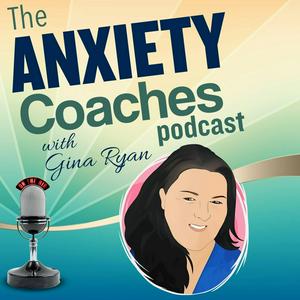
The Anxiety Coaches Podcast brings you a relaxing and inspiring show sharing lifestyle changes to calm your nervous system and help you heal Anxiety, Panic, Stress, and PTSD for life!We Bring you two episodes every week. There is no need to walk this path alone. Subscribe for a relaxing, informative, and inspiring time and start your journey into more peace and calm today.Find meditations, info about stress, anxiety, healthy living, and more at https://www.theanxietycoachespodcast.comListen Ad-Free for less than $0.17 per day! https://anxietycoaches.supercast.com
Podcast websiteListen to The Anxiety Coaches Podcast, Feel Better, Live More with Dr Rangan Chatterjee and many other podcasts from around the world with the radio.net app
Get the free radio.net app
- Stations and podcasts to bookmark
- Stream via Wi-Fi or Bluetooth
- Supports Carplay & Android Auto
- Many other app features
 Ireland